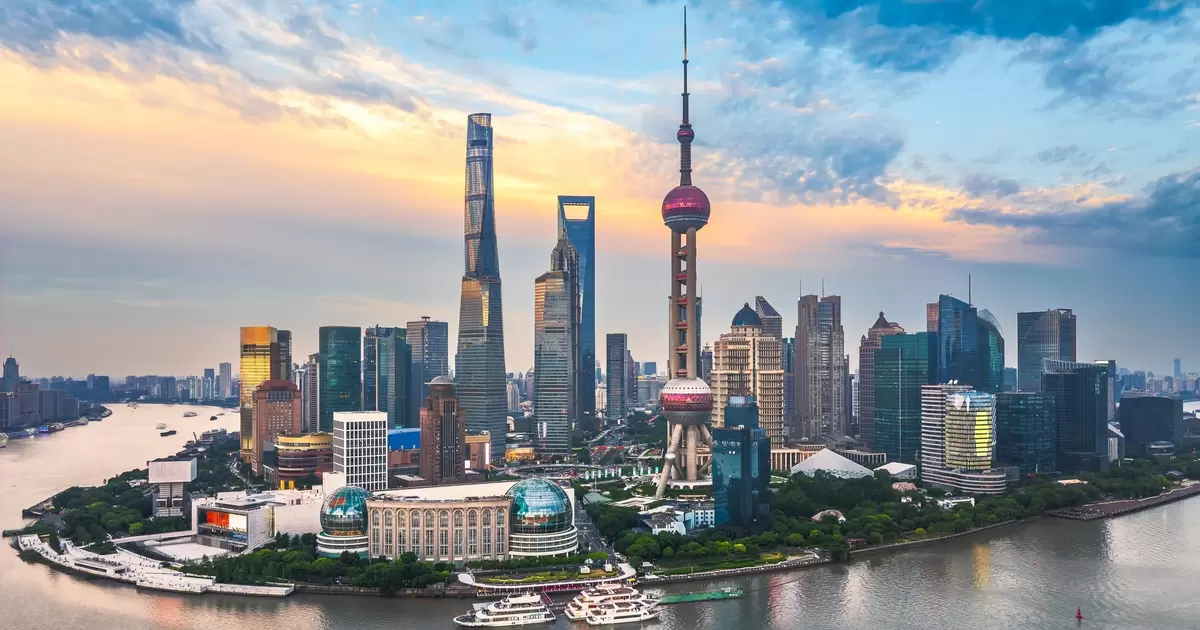
Anything feels possible in Shanghai’s swirling metropolis of roughly 30 million people, defined by its iconic modern skyline, high-speed transit, endless glamour, and deep history. China’s largest and most cosmopolitan city defies simple categorization; it is a journey through past and present, where magnificent Art Deco architecture stands alongside grand Buddhist temples, traditional shíkùmén (stone-gate houses), and hyper-real skyscrapers that scrape the clouds. Visitors can explore sparkling new art galleries, attend stirring classical concerts, or enjoy whiskey in atmospheric jazz clubs, much like people did during the city’s 1930s heyday.
Surprisingly relaxed for a city of its massive scale, there is always a place to decompress—whether you are lounging in one of the many parks filled with cherry blossoms or slowly cycling through the quiet, tree-lined streets of the former French Concession.
Fuel your adventures with Shanghai’s exceptional culinary scene. Dining budgets go a long way here, whether you are seeking a <a s only 360-degree transparent skywalk. Take the elevator even higher to dine at a revolving restaurant 267m (876ft) above the ground, which offers unobstructed vistas of the historic Bund. Entrance tickets to the tower include access to the Shanghai History Museum on the ground floor, which provides a fascinating look at the city’s urban development through immersive models and displays featuring roughly 1,000 artifacts and 100 wax figures. For a budget-friendly and delicious snack, visit the nearby Yang's Fry Dumplings just north of the tower, which specializes in legendary fried dumplings topped with sesame seeds and spring onions.
Escape the busy streets at Yuyuan Gardens
As one of Shanghai’s most popular sites, Yuyuan Gardens in the old town is a maze of pathways, fish ponds, pavilions, and archways that showcases exemplary Ming-era garden design. Originally constructed between 1559 and 1577, the gardens were destroyed in 1842 during the First Opium War and ruined again between 1850 and 1864 during the Taiping Civil War. The gardens seen today were rebuilt using original plans and opened to the public in the 1960s. The 2-hectare (5-acre) space features bridges to cross, mysterious stone figures, ornate archways, and ponds filled with koi carp. In spring and summer, blossoms fill the air with fragrance; keep an eye out for the magnolia grandiflora, which is Shanghai’s official flower.
Get lost in a cluster of traditional lòngtáng alleys
Built in 1931, the Tianzifang grid of traditional alleyways is a well-preserved example of local shíkùmén (stone-gate house) architecture, characterized by large black doors and intricate stone-carved archways that lead into houses lining narrow, winding lòngtáng (alleyways). Families and older generations have continued to live in these typically working-class dwellings, where space is so limited that residents share outdoor water and food-preparation areas. In recent decades, as Shanghai modernized and many residents moved into high-rise apartments, artists began moving into these spaces. As fewer original residents remain, the lòngtáng have evolved into tourist favorite thing to do in Shanghai
Shanghai knows how to cook. Some of my best memories in my former home town are culinary, from scoffing hand-pulled noodles from a street vendor to bagging a table at the latest celebrity-chef haunt inside one of Pudong’s sky-high towers. Nowhere in the world have I experienced dumplings as perfect as those made in Shanghai. Going in search of them, no matter if you’re eating shoulder to shoulder in a cafeteria or in an exquisite traditional dining room, is one of the easiest ways to get acquainted with Shanghainese cuisine.
Xiǎolóngbāo (little steamer buns) arrive in a steaming lóng (steamer basket), and these powerful parcels are bursting with flavor. Traditionally, they consist of a hand-twisted wrapper stuffed with crab and pork, swimming in a savory broth. The fun begins when you attempt to eat them—it tests your chopstick skills to the limit. Don’t make the mistake of biting straight into the hot parcels, or you’ll end up with a burned tongue and a lap full of boiling soup. The trick is to dip the dumpling in vinegar, then hold it with your chopsticks over a porcelain spoon before biting a small hole in the side of the pastry. Then, sip the soup and devour the rest of the dumpling.
How much money do I need for Shanghai?
Shanghai is one of the more expensive cities in China, yet it remains very affordable compared to major European and American cities. While it is easy to spend a small fortune on <a s many high-end malls, it is also simple to travel on a budget by staying in hostels, utilizing public transportation, and eating local Chinese cuisine.
Dorm bed: ¥75–90 (US$10–12)
Single journey on the metro: ¥3–7 (US$0.50–1)
Double room: from ¥200 (US$28)
Cheap hole-in-the-wall restaurants, markets and street food: from ¥50 (US$7)
Museums: free entry to ¥50 (US$7)
Double room in a midrange hotel: ¥500–800 (US$70–110)
Lunch and dinner in good local restaurants: ¥80–200 (US$10–27)
Taxis: from ¥14 per local trip (US$2)
Double room in a top-end hotel: from ¥800 (US$110)
Lunch and dinner in top restaurants: ¥300 and up (US$40)
Shopping at boutiques: ¥300 and up (US$40)
What essential tech do I need in Shanghai?
While credit cards are accepted in high-end restaurants and hotels, it is nearly impossible to pay elsewhere without an app that scans payment QR codes linked to a bank account. All visitors should download one or both Chinese payment apps (Alipay and WeChat) and link them to an international debit card before arriving in China. Through these apps, you will pay for taxis, trains, restaurant bills, and retail purchases.
A translation app is also useful, particularly for scanning menus written in Chinese. Download a VPN before arriving in China to access blocked <a lose face" (for example, by contradicting them in public). Never point at people, as it is considered rude. Always ask before photographing someone. Present and receive items with both hands. Avoid pointing your chopsticks at someone or sticking them upright in a bowl of food—it is considered bad manners and bad luck.
What should I pack for a trip to Shanghai?
Overall, Shanghai is a casual city. Sneakers and jeans are ideal for exploring, which usually involves a significant amount of walking. At certain restaurants and bars, however, people dress to impress. Upmarket hotels and restaurants may enforce smart–casual dress codes.
Do you run tours or sell travel packages in Shanghai? Advertise here.