

Want to know where the truly exclusive travel destinations are? Forget the usual luxury hotspots; the world’s most exclusive travel experiences are defined by their scarcity, the effort required to reach them, and often, a deliberate limitation on visitor numbers. These aren’t just places with high price tags; they’re locations that prioritize preservation, privacy, and an unparalleled level of bespoke service over mass tourism. We’re talking about places where access is an art form, not just a transaction.
Understanding Exclusivity in Travel
Exclusivity in travel isn’t simply about expense, though a high cost is often a byproduct. It’s fundamentally about limited access and a unique, often personalized, experience that cannot be replicated elsewhere. This limitation can stem from various factors, including environmental protection, political stability, logistical challenges, or even the deliberate choice of a private owner or governing body to maintain a certain ambiance.
The Myth of “Luxury” as Exclusivity
Many destinations market themselves as “luxury,” but true exclusivity goes beyond five-star hotels and infinity pools. A luxury resort in a popular destination, even with private villas, doesn’t necessarily offer exclusivity if thousands of other high-net-worth individuals can access it simultaneously. Exclusive travel implies a sense of privilege, an experience reserved for a select few, often in areas where the infrastructure is minimal or deliberately understated to preserve the natural or cultural integrity. It’s not about what money can buy in abundance, but what it can access when availability is scarce.
Drivers of Limited Access
Several factors contribute to a destination’s exclusivity. Environmental sensitivity is a major one; many pristine ecosystems can only handle a small number of visitors without suffering irreparable damage. Political instability or remote geography can make a location difficult or dangerous to reach, thus naturally limiting access. Sometimes, it’s the specific ownership or management of a property that dictates exclusivity, such as private islands or ultra-boutique lodges that host only a handful of guests at a time. The desire to maintain privacy for high-profile individuals also plays a significant role, leading to destinations designed specifically for discretion.
Remote Sanctuaries and Pristine Wildernesses
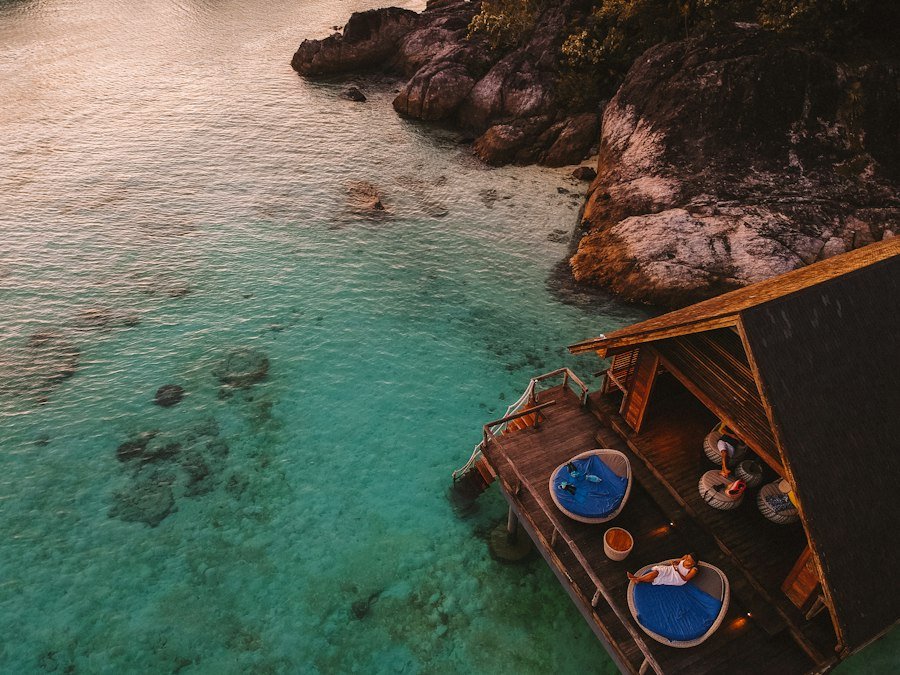
Many of the world’s most exclusive destinations are characterized by their extreme remoteness and the untouched nature of their surroundings. These are places where the journey itself is part of the experience, often involving private charters, expedition ships, or specialized overland vehicles.
Antarctica: The Ultimate Expedition
Antarctica stands as a prime example of an exclusive destination. It’s not a place you can just fly into for a weekend. Access is strictly controlled by the Antarctic Treaty System, which prioritizes scientific research and environmental protection. Tourism is permitted but heavily regulated, with strict guidelines on visitor numbers, landing sites, and environmental impact. Most visits occur via expedition cruise ships departing from Ushuaia, Argentina, or Christchurch, New Zealand, crossing the notoriously turbulent Drake Passage.
Navigating Antarctic Tourism Regulations
The International Association of Antarctic Tour Operators (IAATO) plays a crucial role in managing responsible tourism. Ships are limited in passenger numbers, and only a select few sites can be visited, often with strict rules about where you can walk, how close you can get to wildlife, and what you can bring ashore. The cost reflects the specialized nature of the vessels, highly trained expedition staff, and the logistical challenges of operating in such a harsh environment. A typical expedition can range from 10 days to three weeks, with prices often starting well into five figures. The exclusivity here isn’t just about cost, but the sheer effort and planning involved to experience one of Earth’s last true wildernesses.
The Galapagos Islands: Controlled Encounters
Similar to Antarctica, the Galapagos Islands in Ecuador prioritize conservation over mass tourism. Visitor numbers are tightly controlled, and most exploration occurs on small, licensed expedition yachts, limiting the number of people on any given island at a time. The Ecuadorian government and the Galapagos National Park Service meticulously manage access to protect the unique biodiversity.
Strict Visitor Protocols
Visitors must follow strict rules, including staying on marked trails, not touching wildlife, and always being accompanied by a certified naturalist guide. Landings are often done by zodiac boats, and the experience is deeply immersive, focusing on intimate encounters with the archipelago’s endemic species. The limited capacity of the small ships and the controlled nature of the visits create an exclusive atmosphere, ensuring that the natural environment remains largely undisturbed. Booking months, if not a year, in advance is often necessary, further underscoring its exclusivity.
Arctic Archipelagos: Svalbard and Franz Josef Land
While the Arctic is vast, specific regions offer unparalleled exclusivity due to extreme remoteness and strict environmental regulations. Svalbard, a Norwegian archipelago, permits tourism but maintains a delicate balance to protect its polar bear population and fragile tundra. Further east, Russia’s Franz Josef Land is even more remote, requiring special permits and often only accessible via icebreaker expeditions, making it one of the most difficult places on Earth to visit.
Expeditionary Travel Challenges
Travel to these regions is almost exclusively by expedition ship, often ice-strengthened, and typically involves zodiac landings and wildlife viewing. The short summer season for navigation means a limited window for visitors. The costs are substantial, reflecting the specialized vessels, expert guides, and the significant logistical challenges of operating in such extreme conditions. The reward is a chance to witness pristine Arctic landscapes, incredible wildlife like polar bears and walruses, and a profound sense of isolation and discovery, shared with only a handful of other intrepid travelers.
Private Islands and Exclusive Resorts
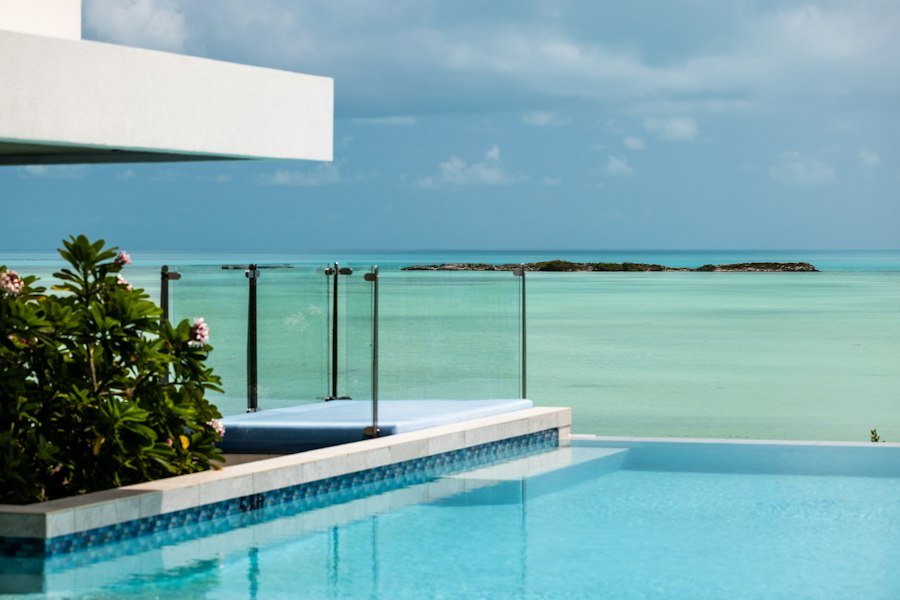
Beyond the wild, many exclusive destinations are engineered for privacy and luxury, often on private islands or in remote, self-contained resorts that actively limit their guest list. These places prioritize discretion and tailor-made experiences.
Laucala Island, Fiji: An All-Inclusive Sanctuary
Laucala Island in Fiji is perhaps one of the most illustrative examples of a private island paradise that defines exclusivity. Owned by Red Bull co-founder Dietrich Mateschitz’s estate, the island features just 25 villas, each with its own golf cart, private pool, and staff. The entire island is dedicated to its guests, offering a sprawling 12 square kilometers of rainforest, mountains, and pristine beaches.
Unparalleled Personalization
The experience at Laucala is meticulously curated. Dining is completely flexible, with five restaurants and bars, but guests can also request meals anywhere on the island, from a remote beach to their villa. Activities range from horseback riding and diving to golf and deep-sea fishing, all included in the exorbitant nightly rate. The limited number of villas ensures an unparalleled sense of privacy and personalized service, where staff often anticipate needs before they are even articulated. It’s not just a resort; it’s a private world.
North Island, Seychelles: Royal Retreat
North Island, Seychelles, gained significant notoriety after hosting Prince William and Kate Middleton’s honeymoon. This private island sanctuary features just 11 luxurious villas, ensuring a maximum of 22 guests at any time across its 2 square kilometers. The focus here is on barefoot luxury and a deep commitment to conservation.
Eco-Conscious Exclusivity
North Island is at the forefront of conservation, with a significant portion of its profits reinvested into ecological rehabilitation projects. Guests can participate in these efforts, such as planting trees or monitoring tortoise populations. The villas are enormous, constructed from local materials, and designed to blend seamlessly with the environment. Like Laucala, the dining is highly personalized, and all activities, from diving to private beach picnics, are included. The limited capacity, coupled with its commitment to sustainability and high-profile clientele, solidifies North Island’s status as a top-tier exclusive destination.
The Brando, Tetiaroa, French Polynesia: Marlon Brando’s Legacy
The Brando, located on the pristine atoll of Tetiaroa in French Polynesia, was originally purchased by Marlon Brando, who fell in love with its untouched beauty. Today, it operates as an exquisite eco-resort with 35 luxurious villas, all powered by renewable energy sources, primarily solar power and a pioneering deep seawater air conditioning system.
Sustainable Luxury and Privacy
The resort is committed to protecting the atoll’s natural beauty and biodiversity. Guests can explore the diverse marine life and bird sanctuaries, often accompanied by naturalists. The villas are designed for ultimate privacy, each with its own plunge pool and private beach area. The “all-inclusive” nature of The Brando extends to gourmet dining, a wide range of activities, and a focus on wellness at the Varua Te Ora Polynesian Spa. The limited number of villas, combined with the island’s remote location and the resort’s strong commitment to sustainability, makes it a truly exclusive and mindful luxury experience.
Cultural Immersion in Secluded Locales
Exclusivity isn’t solely about untouched nature or opulent resorts. Some destinations offer highly curated cultural experiences in places that are difficult to access or have deliberately limited tourism to preserve their heritage.
Bhutan: “High Value, Low Impact” Tourism
Bhutan, the small Himalayan kingdom, has famously adopted a “High Value, Low Impact” tourism policy since the 1970s. This means that all tourists (excluding Indian citizens) are required to book through a licensed Bhutanese tour operator and pay a daily Sustainable Development Fee (SDF), currently $200 USD per person per night. This fee covers accommodation, meals, an accredited guide, internal transport, and cultural programs.
Preserving Cultural Heritage
The SDF is a deliberate strategy to limit tourist numbers and ensure that tourism contributes positively to the country’s development and cultural preservation, rather than overwhelming it. The result is a travel experience that feels genuinely exclusive, where ancient monasteries, pristine landscapes, and a vibrant Buddhist culture can be explored without the crowds often found in other popular Asian destinations. The limited flight options into Paro, Bhutan’s only international airport, also contribute to its controlled accessibility.
Faroe Islands: A Unique North Atlantic Gem
The Faroe Islands, an autonomous territory within the Kingdom of Denmark, remain relatively untouched by mass tourism due to their remote location in the North Atlantic and their distinct focus on sustainable tourism practices. While not as strictly regulated as Bhutan, their limited infrastructure and often challenging weather naturally restrict visitor numbers.
Focused on Responsible Exploration
The islands are known for their dramatic landscapes, unique Viking-era history, and vibrant local culture. There are no large resort chains; accommodation tends to be in boutique hotels, guesthouses, or self-catering cottages. The community actively promotes responsible tourism, sometimes even closing popular sites for maintenance and conservation during certain periods, further enhancing their exclusivity. Getting there often involves a flight connection from Copenhagen or Reykjavik, or a ferry from Denmark, adding to the sense of an expedition to a truly unique corner of the world.
Patagonia’s Deep Wilderness Lodges
While Patagonia itself is a vast region, certain lodges nestled deep within its national parks and private reserves offer an exclusive experience, limiting guest numbers to preserve the pristine environment and ensure an intimate encounter with nature. These aren’t just hotels; they’re often gateways to multi-day trekking, horseback riding, or wildlife viewing, far from any towns.
Eco-Luxury in Remote Settings
Lodges like Awasi Patagonia in Chile, or Estancia Cristina in Argentina (accessible only by boat across Lake Argentino), exemplify this. They offer exquisite accommodation and gourmet dining, but their true exclusivity lies in their guided expeditions into the surrounding wilderness. Guest numbers are very small, allowing for highly personalized itineraries and a deep connection with the dramatic Patagonian landscapes of mountains, glaciers, and native forests. The journey to reach these lodges often involves significant travel, further underscoring their secluded and exclusive nature.
Experiential Exclusivity: Beyond Location
| Destination | Location | Average Cost per Night | Visitors per Year | Unique Feature |
|---|---|---|---|---|
| Maldives | Indian Ocean | 1200 | 1,700,000 | Overwater Bungalows |
| Bora Bora | French Polynesia | 1500 | 300,000 | Crystal Clear Lagoon |
| Monaco | Europe | 1000 | 350,000 | Luxury Casinos & Yachts |
| Bhutan | Himalayas | 250 | 20,000 | Controlled Tourism & Cultural Preservation |
| Antarctica | Southern Hemisphere | 5000 | 50,000 | Pristine Wilderness & Wildlife |
| St. Barts | Caribbean | 1200 | 35,000 | Exclusive Beaches & Celebrity Spotting |
Sometimes, exclusivity isn’t just about where you go, but what you do and who you do it with. This category focuses on highly specialized, often bespoke, experiences that are inherently limited due to their nature, cost, or the expertise required.
Space Tourism: The Ultimate Frontier
Space tourism, spearheaded by companies like Virgin Galactic and Blue Origin, represents the pinnacle of experiential exclusivity. While still in its nascent stages, the opportunity to travel beyond Earth’s atmosphere is reserved for an extremely select few due to the astronomical cost and the physical and psychological requirements.
Rigorous Selection and Training
Prospective space tourists undergo rigorous medical checks and training protocols. The experience itself is brief but utterly transformative, offering unparalleled views of Earth and a unique sensation of weightlessness. With only a handful of flights having taken place and tickets costing millions of dollars, this is, without question, the most exclusive travel experience currently available, redefining what it means to travel to a “destination.”
Private Yacht Expeditions to Undiscovered Reefs
While chartering a yacht isn’t inherently exclusive, arranging a bespoke expedition to truly remote and largely unexplored marine ecosystems takes it to another level. This isn’t about cruising the Mediterranean; it’s about venturing into uncharted waters with a dedicated crew, marine biologists, and specialized equipment.
Diving into Pristine Ecosystems
Imagine exploring an atoll in the Pacific that sees only a handful of visitors each year, or diving on coral reefs where new species are still being discovered. These expeditions require significant planning, special permits, and a deep understanding of marine conservation. The exclusivity comes from the ability to access places that are off-limits to conventional tourism, providing an unparalleled opportunity for discovery and scientific contribution, often at a very high cost that covers the vessel, expert staff, and permits.
Arctic and Antarctic Submersible Adventures
For those who have already experienced the surface of the polar regions, the next frontier in exclusivity is exploring beneath the ice. Specialized submersibles are now offering ultra-exclusive dives in both the Arctic and Antarctic, providing a perspective of these frozen worlds few have ever witnessed.
Unveiling Subaquatic Wonders
These are not tourist submarines for viewing fish in shallow waters. These are highly engineered vehicles designed for extreme conditions, capable of reaching significant depths and providing a unique view of the polar marine environment – ice formations, deep-sea creatures, and potential shipwrecks. The capacity of these submersibles is tiny, often only a few passengers, and the cost is extraordinary. Access is usually facilitated through ultra-luxury expedition companies or private charters, making it one of the most niche and exclusive adventures on the planet.
The Future of Exclusive Travel
As global travel becomes more accessible, the definition of exclusivity continues to evolve. Future trends suggest an even greater emphasis on sustainability, highly personalized experiences, and access to truly untouched or culturally significant places. The focus will likely shift further away from overt luxury towards genuine, meaningful, and deeply private encounters with the world.
Sustainable Exclusivity
There’s a growing recognition that true exclusivity cannot come at the expense of the environment or local communities. Future exclusive destinations will likely integrate sustainability even more deeply into their operations, offering travelers the chance to contribute positively to the places they visit. This might mean more conservation-focused lodges, eco-resorts with strong community ties, and destinations that actively limit visitor numbers to minimize impact.
Hyper-Personalized Journeys
Off-the-shelf luxury travel will continue to give way to entirely bespoke itineraries. Exclusive travel advisors will become even more crucial, crafting journeys that align perfectly with an individual’s specific interests, whether it’s an archaeological dig in a restricted zone, a private audience with a cultural leader, or a scientific expedition designed just for them. The level of customization and attention to detail will define the next generation of exclusive travel.
Reaching the Unreachable
As technology advances, new frontiers for exclusive travel may emerge. This could include deep-sea exploration to the Mariana Trench, high-altitude balloon trips to the edge of space without the intensity of a rocket launch, or even highly specialized virtual reality experiences that mimic real-world exclusivity when physical travel isn’t possible or desirable. The pursuit of “firsts” and access to genuinely rare experiences will continue to drive the demand for these unique and limited opportunities. The world of exclusive travel isn’t just about escaping the crowds; it’s about entering a realm of unique experiences, carefully preserved environments, and unparalleled privacy.