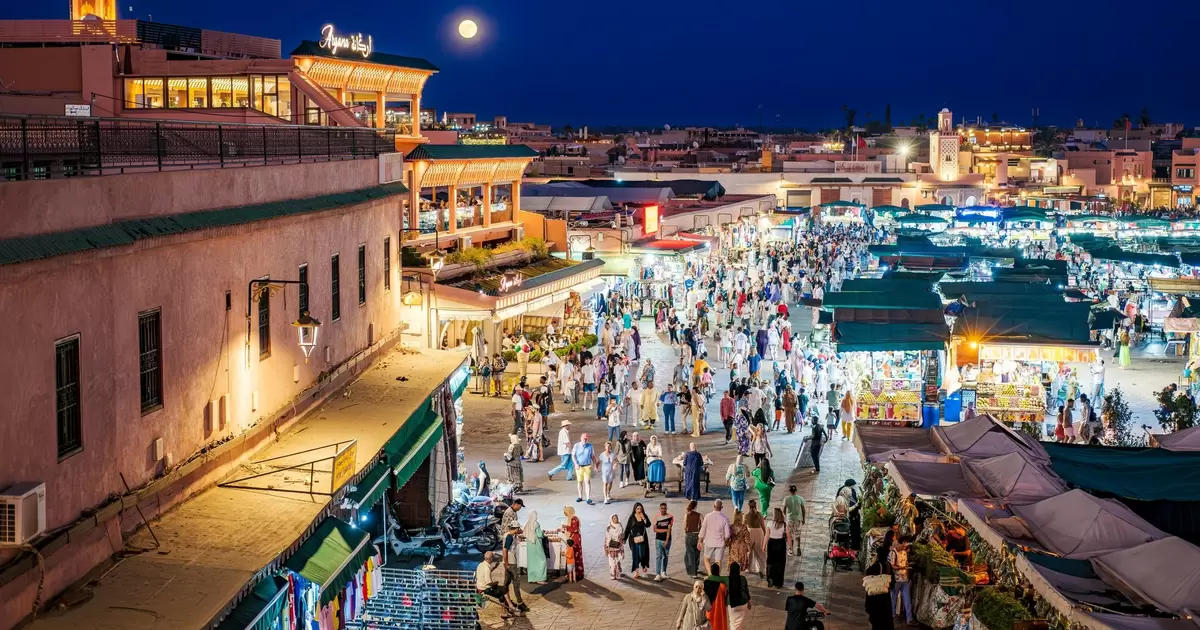
There are many things I wish I had known before moving to Morocco in 2018. This country reveals the full spectrum of real life: the good, the bad, the ugly and the oh-so know before visiting.
Trip planning
Entry Requirements
Travelers from around 70 countries, including the United States, Canada, most popular <a pink city" offers much more than just its historic center; spend time exploring Gueliz and venture off the main boulevards onto the leafy side streets to find charming cafes, bistros and independent boutiques.
Enhance Your Trip by Booking Professional Guides
To get the most out of your Moroccan adventure, hire a guide who possesses deep local expertise and speaks your language. In cities, consult the local tourism office or your hotel for recommendations regarding licensed guides. If you are planning to go surfing, ensure your instructors hold valid qualifications. Research the places you wish to visit, but leave enough flexibility in your schedule for spontaneous changes. While you can prebook tours and activities, it is often just as easy to reserve them once you arrive.
Etiquette in Morocco
The Dress Code Varies on Where You Are
When visiting the Hassan II Mosque or other religious sites, both men and women must ensure their bodies are covered from the shoulders to the knees. Dress modestly in cities and towns to avoid drawing unwanted attention. At bars and nightclubs, the dress code is more relaxed, but in rural areas, you should cover up and remain respectful of local customs.
At the beach, you are free to wear shorts, dresses, tank tops and swimwear, including bikinis. Pack comfortable footwear suitable for uneven terrain and carry a scarf to cover your shoulders when necessary.
Practice the Art of Bargaining for Shopping in Souqs
Haggling is a standard part of the shopping experience in Morocco and should be treated like a game. Try to remain patient; the goal is for both the buyer and the seller to feel satisfied with the final price.
For significant purchases, do your research, decide on a budget beforehand, or visit multiple shops to compare prices. Sometimes vendors may ask you to pay what you feel is fair, so if you are unsure, ask questions: how many hours did it take to create? Where were the materials
Souqs are filled with imitation goods. Many locals do not mind if their Nikes are not authentic; they simply want the latest styles at an affordable price.
Know What to Expect If You’re Visiting During Ramadan
The holy month of Ramadan and the subsequent Eid celebrations provide a unique cultural experience, though many businesses may be closed during these times. Check the dates for Ramadan and be aware that many dining establishments will be shuttered during daylight hours; however, food is typically still served to visitors at hotels.
Be Respectful of Islam and the King
The phrase “God, king and country” is etched into hillsides across the nation. Islam is the state religion, and its tenets are applied to personal matters in the same way civil law functions elsewhere. It is illegal to speak disrespectfully about the religion or the monarch. Non-Muslims are prohibited from entering mosques or cemeteries, with the exception of the Hassan II Mosque in Casablanca. Friday is a holy day, and many people take time off in the afternoon to attend the mosque and enjoy couscous with their families afterward. If you have plans on a Friday, verify business hours before you head out.
Ask Before Taking Photos of People
Regardless of where you are, it is best to request permission before photographing someone. Many people will be happy to oblige, while others may decline. Some individuals might ask for payment. Do not take pictures of military or government facilities. Drones are prohibited in Morocco without obtaining special authorization.
Be Prepared for Touts in Tourist Areas
Simply ignore individuals who attempt to sell you goods you do not want. There is no need to be polite to everyone soliciting a sale. If you do not react, they will eventually lose interest and move on.
Alcohol is Sold in Certain Shops
Although alcohol is restricted under Islamic law, it remains widely available in licensed wine shops and international supermarkets. Keep in mind that not every bar or restaurant will serve alcoholic beverages.
Eat With Your Right Hand
Be mindful of table manners when dining with others in Morocco. Traditional Moroccan cuisine, such as tagines and grilled fish, is meant to be eaten with bread using your right hand. The left hand is considered unclean, as it is traditionally used for personal hygiene in the bathroom.
It’s Normal to Get Lost When Exploring
Getting lost is part of the charm of exploring Morocco, with its unmarked roads, labyrinthine souq alleys and areas with poor cell phone reception. Stay relaxed, remain aware of your surroundings and ask for help if needed. In the medinas, it is helpful to know that if a street sign is hexagonal, it indicates a dead end. If it is square, it is a through street.
Solo travelers should follow standard safety precautions, such as dressing appropriately and ensuring someone knows your itinerary and expected return time.
Safety in Morocco
Don’t Drink the Tap Water
The tap water in Morocco is not safe for consumption. Carry a reusable water bottle with a built-in filter to avoid purchasing plastic bottles.
Bring Tissues for Public Toilets
Some public restrooms do not provide toilet paper. Unless you are comfortable using water for cleaning, keep a pack of tissues and some antibacterial hand gel or wipes with you at all times.
Street Cats and Dogs Are Everywhere
It is best to avoid feeding stray animals from your table. A law introduced in August 2026 requests that citizens refrain from feeding or caring for stray cats and dogs in public areas. The government is currently establishing designated animal-care centers to better manage and protect the stray population. If you are an animal lover, look for a registered rescue center in your area and show your support through a donation or by volunteering.
Transportation
Trains and Buses Make Getting Around Morocco Easy
Navigating Morocco is straightforward, even without a personal vehicle. An excellent rail network connects many major cities, including the Al Boraq high-speed line between Casablanca and Tangier. A reliable and comfortable bus network also links towns of all sizes. Book your train and bus tickets a day or two in advance to secure your preferred travel times. Driving in cities like Casablanca and Marrakesh is best left to the locals.
Follow These Rules of the Road
Some travelers may need to present an International Driving Permit alongside their home license; verify this requirement when booking your rental car. In Morocco, you must drive on the right side of the road, and seatbelts are mandatory, even if some taxis lack them. Car horns are used frequently—not as an act of aggression, but as a method of communication. Stay alert for pedestrians, bicycles, motorcycles and animals appearing from all directions. Avoid driving after dark, as some vehicles may not use their headlights. Pay attention to speed limits and roundabouts that utilize traffic light systems. If you are stopped for speeding—which is common—or other violations, paying the fine in cash is often more convenient than visiting a local police station.