

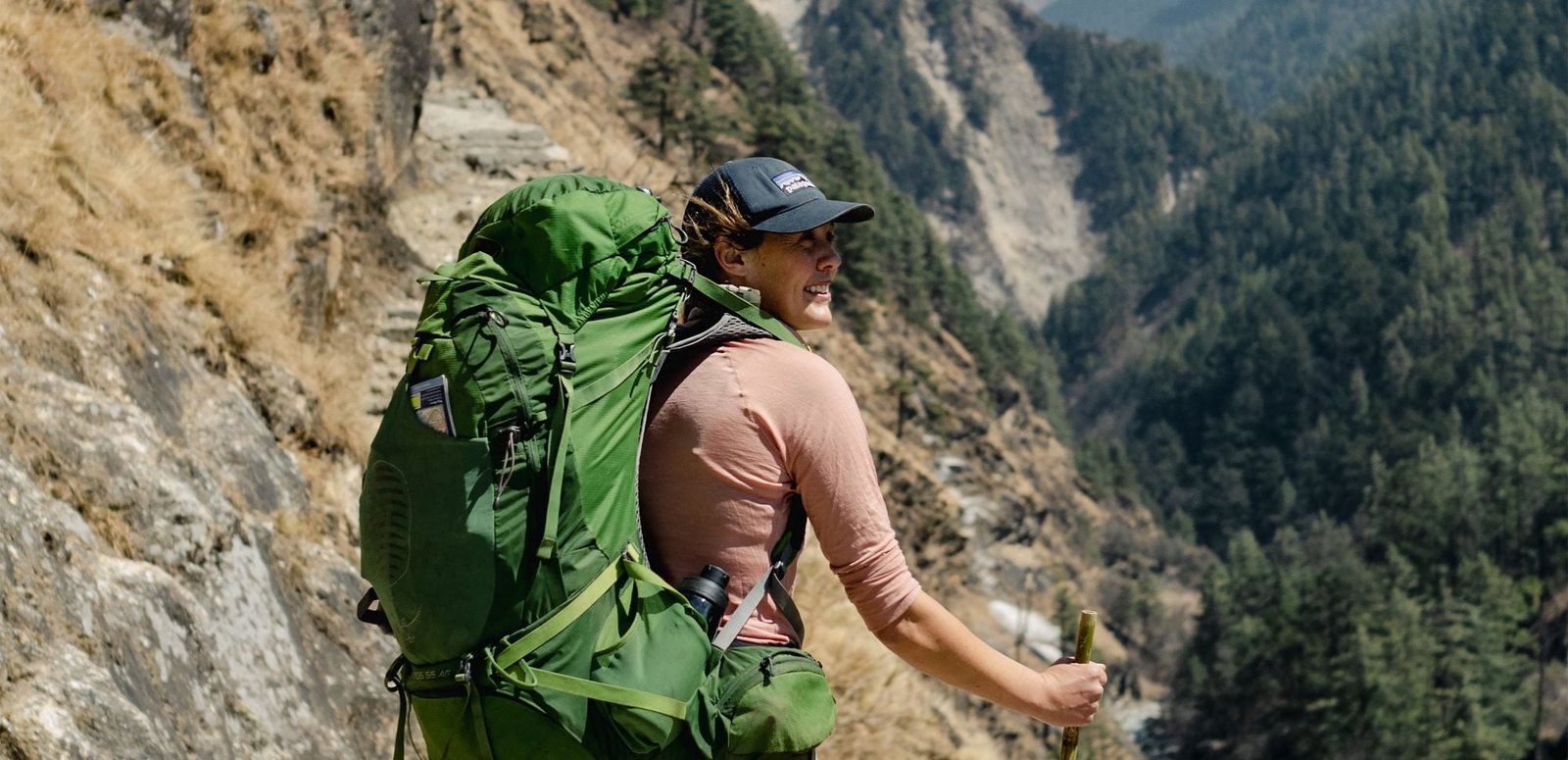
Nepal is a country that conjures up images of soaring peaks, fluttering prayer flags and intrepid expeditions. It is what many people think of when they think of adventure. Eight of the world’s 14 highest peaks are situated in Nepal, including the revered highest mountain in the world, Mount Everest, but as I would find out – there’s so much more to this country than its 8,000m peaks.
There’s a saying amongst the guides and the porters – 24 hour, dal bhat power!
I visited Nepal for the first time back in March 2023. During the next month, we would spend our time exploring the chaotic urban sprawl of Kathmandu and the chilled lakeside tourist mecca of Pokhara. We’d trek the Manaslu circuit and dive into the remote rural Tsum Valley, which typically sees only 300 <a ve still only scratched the surface of this remarkable country, but if, like me, you're hoping to head out and sample the culture, the trekking and explore the remarkable outdoors, I have a few hints and travel tips which might be useful.
Kathmandu is a Sensory Overload
I didn’t really know what to expect when I landed in Kathmandu, but even stepping out of the airport was a shock. As Nepal’s most populated city, home to vibrant Buddhist and Hindu communities (and the jumping off point for most tourists), I probably shouldn’t have been so surprised at how chaotic the city was.
Walking through the crowded streets while dodging mopeds and cows was a sensory overload – blaring horns, delicious street food smells, less pleasant animal smells and music everywhere. Nepal will certainly make your senses come alive. It’s intense but you do pretty quickly appreciate it for its vibrancy. As a travel photographer, I really wanted some solo time just exploring with my camera, but it took me time to feel comfortable.
I started by National Express coach on the M6.
If you do need to do any kind of long distance travelling by bus in Nepal, expect it to take the entire day (at least). Our bus to the trailhead took 10 hours. I have no idea how long it was supposed to take, but make sure you allow plenty of buffer time for the bus to make as many stops as it needs to, for it to pick up passengers, animals and navigate the interesting roads. Pack enough snacks and water – although the buses stop do make stops along the way – grab a window seat so you can watch the landscape unfold and soak up the atmosphere.
You can organise <a t really need amenities and facilities beyond the basics, but I didn’t expect the food to be the same all the way around the circuit (the Nepali Tourist Board standardise the menu in all the teahouses to eliminate competition) and it was a real moment of excitement when we found a shop that sold biscuits and toilet roll.
While some teahouses do have wi-fi, it’s usually not free or very reliable. But you don’t go to Nepal for the internet, and the incredible night skies and peace more than make up for it. Just make sure you stock up on culture and snacks in the cities and embrace the change of pace out on the trails. Use it as time to disconnect.
Life takes place in the open
Nepal challenged me every day, and it wasn’t just the physical challenge of trekking in some of the most spectacular landscape I’ve ever seen.
Life takes place out in the open here. At Pashupatinath temple, I witnessed funeral pyres burning, and it was a strange feeling being part of a large crowd observing and photographing something that, to many of us, is usually a very private event.
As a travel photographer, it made me think hard about the ethics of documenting moments like these. Tourism is Nepal’s biggest industry, generating around $470 million a year, but its impact is complex. Even on quieter treks, the donkey caravans bring sackfuls of items that only tourists want into the valleys, and although this brings employment and income to the area, it comes at a cost. There was a lot of litter on the trails, and all rubbish either has to be burnt or carried off the trails. The more consumption there is, the more rubbish is generated.
<a s own house as the teahouse was shut. It was an evening I’ll never forget, huddled around the fire playing with her small son Tutankhamen, experiencing real life in Nepal.
We joined monks from our teahouse for a sunrise walk to a monastery…
In Pokhara, I took a cooking class with a woman called Rekha. We made Tibetan momos(steamed dumplings!) and dal bhat, the latter of which we’d eaten plenty of on the trail. There’s a saying amongst the guides and the porters – “24 hour, dal bhat power!” Aside from the cooking, it was meeting Rekha’s family, seeing her amazing garden and feeling her warmth that made the experience so unique.
I also joined a tour of the Tibetan exile community while I was in Pokhara. Through visiting schools, monasteries and homes and chatting to the community members, I was able to gain a tiny insight into a very complex situation and the diverse cultural landscape of Nepal.
If you’re open and friendly, you’ll meet some incredible locals who will share stories, smiles and hospitality with you and make your journey unforgettable.