

So, you’re looking to travel smarter, not harder? Excellent. This article is your straightforward guide to navigating the world with a bit more savvy. We’ll cut through the fluff and get straight to the practical advice that actually makes a difference, covering everything from booking and packing to staying safe and making the most of your time on the road.
Pre-Trip Prep: Setting the Stage for Success
Getting things right before you even leave your house can save you a surprising amount of hassle and money. Think of this as your foundational work for a smoother journey.
Mastering Flight and Accommodation Bookings
Let’s be real, flights and hotels are usually the biggest chunks of your travel budget. Learning how to navigate these bookings effectively is a major win.
The Art of Flexible Dates and Destinations
If your schedule allows for it, flexibility is your greatest weapon against high prices. Using “flexible dates” search options on aggregators like Google Flights or Skyscanner can reveal significantly cheaper fares just a day or two before or after your initial search. Weekday travel is almost always cheaper than weekend travel, and flying on Tuesdays or Wednesdays often yields the best results. Similarly, if you’re open to different destinations, try searching “everywhere” on Skyscanner to see where the cheapest flights are from your home airport for a given date range. This can spark ideas for trips you hadn’t even considered.
Leveraging Incognito Mode and VPNs
When you repeatedly search for flights or hotels on the same browser, websites sometimes employ dynamic pricing, which can show you higher prices based on your past searches. To combat this, always search in “incognito” or “private browsing” mode. This prevents cookies from tracking your activity. For an extra layer, consider using a Virtual Private Network (VPN). By connecting to a server in a different country, you might see different pricing, as some airlines or booking sites adjust prices based on geographical location. It’s not a guaranteed fix, but it’s worth trying if you’re serious about finding the absolute best deal.
Smart Use of Loyalty Programs and Credit Card Points
Don’t dismiss loyalty programs as just for frequent business travelers. Even if you only travel a few times a year, signing up for airline and hotel loyalty programs can yield benefits. Accumulate points for free stays or upgrades, and even just having elite status can get you perks like early check-in/late check-out or free breakfast. Similarly, travel-focused credit cards often come with lucrative sign-up bonuses in points, which can be redeemed for significant savings on flights and hotels. Just make sure you understand the annual fees and spend requirements before signing up.
Visa and Documentation: Don’t Get Caught Off Guard
Nothing derails a trip faster than being denied entry. A little proactive checking goes a long way here.
Checking Visa Requirements Well in Advance
Before you book anything, absolutely check the visa requirements for your passport and your destination country. Websites like the IATA Travel Centre or your country’s foreign affairs department website (e.g., U.S. Department of State, UK Foreign Office) provide up-to-date information. Some visas can take weeks or even months to process, so factor that into your timeline. Don’t assume that if one friend can enter a country without a visa, you can too; requirements vary widely by nationality.
Copies and Digital Backups of Important Documents
Imagine losing your passport in a foreign country. It’s a nightmare scenario. Mitigate the panic by having multiple copies. Keep a physical photocopy of your passport, visa, flight itinerary, and hotel reservations separate from the originals. Even better, take photos of all these documents with your phone and store them in a secure cloud service (like Google Drive or Dropbox) that you can access from anywhere. Email a set to yourself and a trusted family member. This makes replacing lost documents significantly easier.
Packing Like a Pro: Efficiency and Preparedness
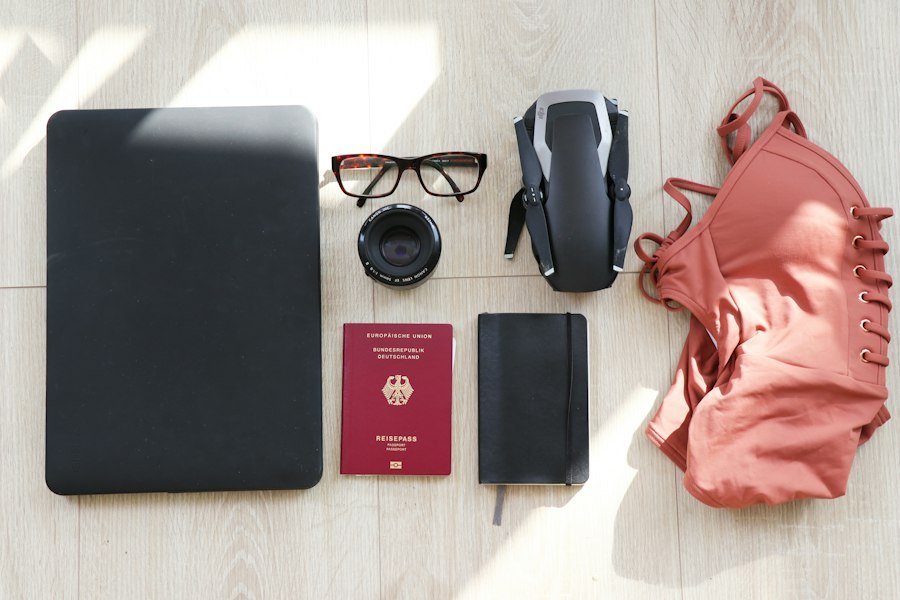
Packing isn’t just about fitting things into a bag; it’s about making sure you have what you need without being burdened by excess.
The Art of the Carry-On: Less is Truly More
The benefits of carry-on-only travel are immense: no checked bag fees, no waiting at the carousel, and no risk of lost luggage. It forces you to be selective and agile.
Maximizing Space with Rolling and Packing Cubes
Forget folding. Rolling your clothes tightly saves a surprising amount of space and reduces wrinkles. Even better, invest in a set of packing cubes. These zippered fabric containers allow you to compartmentalize your belongings (e.g., shirts in one cube, underwear in another). They compress your clothes, make it easy to find specific items without rummaging, and can transfer directly into drawers at your destination. They truly revolutionize carry-on packing.
Smart Wardrobe Choices: Mix, Match, and Layers
Plan your outfits around a core color palette so that almost every top can go with every bottom. Bring versatile pieces that can be dressed up or down. Layers are your friend, especially when traveling to places with variable weather or air-conditioned environments. A light scarf or pashmina can serve multiple purposes: warmth, sun protection, a makeshift pillow, or to cover shoulders in religious sites. Focus on quick-drying fabrics if you plan to do any hand washing on the go.
Essential Gear Beyond Clothes: Practicalities
It’s not just about what you wear; it’s about what aids your journey.
Universal Adapters and Portable Chargers
In today’s connected world, a dead phone can be more than an inconvenience; it can be a problem. Always carry a universal travel adapter, one that covers multiple plug types, not just one for your specific destination. Even if you have the right adapter, outlets can be scarce. A portable power bank (fully charged, of course) is a lifesaver for keeping your phone, tablet, or e-reader juiced up, especially during long travel days or when exploring.
First-Aid Kit and Personal Medication
A small, well-stocked first-aid kit is non-negotiable. Include pain relievers, adhesive bandages, antiseptic wipes, antibiotic cream, anti-diarrhea medication, and any prescription medications you take. Keep prescription meds in their original containers with labels, and carry a copy of your prescription from your doctor, especially if traveling internationally. Don’t rely on being able to find specific brands or medications easily in foreign pharmacies.
On the Ground: Navigating Your Destination Like a Local
Once you arrive, a few simple strategies can enhance your experience and keep you safe.
Money Matters: Smart Spending and Security
How you handle your finances abroad can significantly impact your travel budget and peace of mind.
Notifying Your Bank and Credit Card Companies
Before you leave, always notify your bank and credit card companies of your travel dates and destinations. Failure to do so can result in your cards being flagged for suspicious activity and frozen, leaving you stranded without access to funds. Make sure you have at least two different cards (e.g., one debit, one credit) from different networks (e.g., Visa and Mastercard) in case one isn’t accepted or gets lost/stolen.
Avoiding Airport Exchange Counters and ATMs
Airport currency exchange kiosks notoriously offer terrible rates. Avoid them unless absolutely desperate. The best way to get local currency is usually to withdraw from an ATM once you arrive. Look for ATMs associated with reputable banks. However, be aware of “dynamic currency conversion” (DCC), where the ATM offers to charge you in your home currency. Always decline this and choose to be charged in the local currency; your bank will almost always give you a better exchange rate.
Distributing Your Funds and Keeping Valuables Secure
Don’t carry all your cash, cards, and passport in one place. Distribute them. Keep some cash in your wallet, some in a separate, secure pocket, and a backup card in your luggage. Use a money belt or a discreet neck pouch for your passport and significant cash when moving between locations. In your accommodation, utilize the safe if available, or keep valuables locked in your luggage. The goal is to make it difficult for opportunistic thieves.
Transportation and Navigation: Getting Around Efficiently
Understanding local transport options saves time and money.
Utilizing Public Transport and Ride-Sharing Apps
In many major cities, public transportation (subways, buses, trams) is the most efficient and cost-effective way to get around. Research the local system before you arrive. Many cities offer multi-day passes that can save you money. For private transport, ride-sharing apps like Uber, Lyft, or local equivalents (e.g., Grab in Southeast Asia) can offer transparent pricing and safety features compared to traditional taxis, especially if you’re concerned about language barriers or being overcharged.
Offline Maps and Translation Apps
Don’t rely solely on having an internet connection. Download offline maps for your destination on Google Maps or Maps.me before you leave. This allows you to navigate without data, saving battery and avoiding roaming charges. Similarly, download language packs for translation apps like Google Translate so you can use them offline. Being able to understand directions or order food without a connection is incredibly liberating.
Staying Savvy and Safe: Mindful Travel
Being aware of your surroundings and making smart choices contributes significantly to a positive travel experience.
Local Customs and Etiquette: Respectful Interactions
A little cultural sensitivity goes a long way in enriching your trip and avoiding misunderstandings.
Researching Cultural Norms and Dress Codes
Before you go, do a quick search on local customs and etiquette. Knowing things like whether tipping is expected, how to greet people, or if there are specific dress codes for religious sites can prevent awkward situations and show respect. For instance, in many Asian countries, pointing with your finger is considered rude; using an open hand is preferred. Being mindful of these nuances makes you a more welcome visitor.
Learning Basic Phrases: Hello, Thank You, Excuse Me
Even if you’re not fluent, learning a few basic phrases in the local language (hello, thank you, please, excuse me, sorry, yes, no) can make a huge difference. Locals appreciate the effort, and it can facilitate smoother interactions. It also helps you read signs or understand directions better. Many language learning apps offer short, practical lessons for travelers.
Personal Safety: Awareness and Prevention
While travel is generally safe, being prepared for potential issues is just good sense.
Situational Awareness and Avoiding Scams
Always be aware of your surroundings, especially in crowded tourist areas. Pickpockets often work in teams. Avoid distractions like having your phone out constantly in busy spots. Research common local scams for your destination (e.g., “broken” taxi meters, “free” bracelet scams, fake petitions) so you can recognize and avoid them. A firm “no” and walking away is usually the best defense. Trust your gut feeling; if something feels off, it probably is.
Registering with Your Embassy/Consulate
For longer trips or to less stable regions, consider registering your travel plans with your country’s embassy or consulate (e.g., the U.S. State Department’s Smart Traveler Enrollment Program – STEP, or the UK’s Foreign, Commonwealth & Development Office – FCDO). In case of an emergency, natural disaster, or civil unrest, your embassy will know you’re in the country and can provide assistance or information. It’s a small step that offers significant peace of mind.
Post-Trip Reflections: Learning and Lingering
| Tip | Description | Benefit | Example |
|---|---|---|---|
| Book Flights Early | Reserve tickets several months in advance to get the best prices. | Save up to 30% on airfare | Booking 3 months ahead reduces cost significantly |
| Pack Light | Bring only essentials to avoid baggage fees and ease mobility. | Save time and money on checked luggage | Use a carry-on sized bag only |
| Use Travel Apps | Leverage apps for navigation, translation, and booking. | Enhance convenience and reduce travel stress | Google Maps, Duolingo, Skyscanner |
| Travel Insurance | Purchase insurance to cover cancellations, health, and theft. | Protects against unexpected expenses | Choose plans with medical and trip cancellation coverage |
| Local Transportation | Use public transit or bike rentals to explore economically. | Save money and experience local culture | Metro cards, bike-share programs |
| Stay Hydrated | Carry a refillable water bottle to stay healthy and reduce waste. | Maintain energy and reduce plastic use | Use filtered water stations |
| Learn Basic Phrases | Know key phrases in the local language for smoother interactions. | Improves communication and cultural respect | “Hello,” “Thank you,” “Where is…” |
| Flexible Itinerary | Allow room for spontaneous activities and rest. | Enhances enjoyment and reduces stress | Plan major sights but leave free days |
The trip isn’t truly over until you’ve processed it and applied the lessons learned.
Documenting and Sharing: Preserving Memories
Beyond selfies, there are smart ways to capture your experiences.
Backing Up Photos and Videos Immediately
Don’t wait until you get home. As soon as you have Wi-Fi, back up your photos and videos to a cloud service or an external hard drive. Losing precious travel memories due to a lost or damaged device is heartbreaking. Many travelers use services like Google Photos or iCloud for automatic backups. Consider a small, rugged external hard drive for a physical backup on the go.
Journaling and Note-Taking
While photos capture moments, a journal captures thoughts, feelings, and details that photos can’t. Jot down funny anecdotes, interesting observations, names of great restaurants, or local insights. This not only helps you remember the trip more vividly later but also serves as a fantastic resource for future trip planning or recommending places to friends. Even quick notes on your phone can serve this purpose.
Future Travel Planning: Applying Lessons Learned
Every trip is a learning experience. Use it to refine your approach.
Evaluating What Worked and What Didn’t
Take some time after you return to reflect. What packing strategies worked best? Was that hostel location ideal? Did you spend too much time on one activity and not enough on another? Did you miss out on something because you didn’t plan ahead enough? Or did spontaneous moments create the best memories? Analyze your choices, both good and bad, to inform your next adventure.
Updating Your Travel Gear and Knowledge Base
Based on your reflections, consider upgrading or adjusting your gear. Did your backpack feel too heavy? Maybe a lighter one is in order. Did you wish you had a better rain jacket? Now you know. Stay updated on travel news, airline policies, and new technologies that can make travel easier. The world of travel is constantly evolving, and so should your approach to it.


