
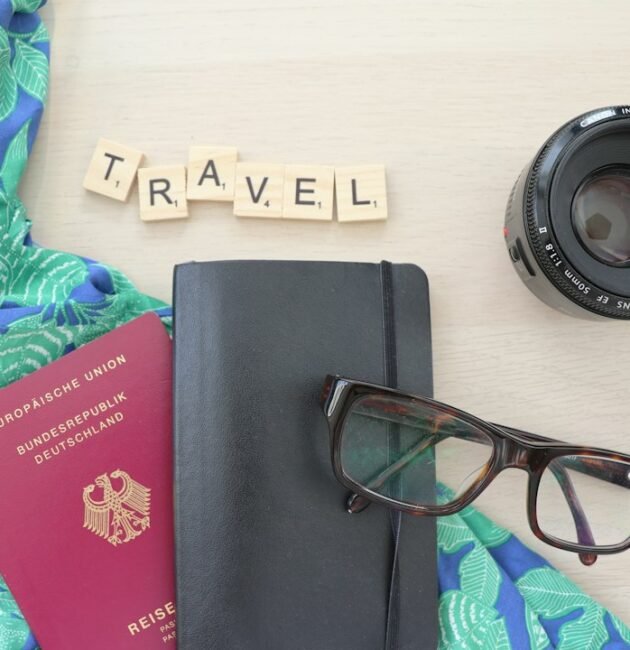
Welcome to the world of travel! For your first adventure, things might seem a little overwhelming, but it doesn’t have to be. The good news is, there are plenty of straightforward tips and tricks that can make your journey smoother, more enjoyable, and even help you save a few bucks. This article will walk you through some simple travel hacks designed specifically for first-timers, covering everything from packing smart to navigating unfamiliar places. Think of these as your personal cheat codes to a stress-free trip.
Getting Your Ducks in a Row Before You Go
Before you even think about packing, there are a few foundational steps that can set the tone for your entire trip. A little preparation now can prevent a lot of headaches later.
Documentation and Copies
First things first: your passport is your golden ticket for international travel. Make sure it’s valid for at least six months beyond your planned return date, as many countries have this requirement. Beyond that, visas can be a confusing labyrinth. Always check the visa requirements for your destination well in advance. Some countries offer visa-on-arrival, while others require pre-approval that can take weeks or even months. Don’t leave this to the last minute!
Once you have your primary documents sorted, it’s wise to make copies. Physical copies of your passport, visa, flight confirmations, and accommodation bookings should be stored separately from the originals. If your main documents get lost or stolen, these copies can significantly speed up the replacement process. Even better, scan all these documents and save them to a cloud service (like Google Drive or Dropbox) or email them to yourself. This way, you can access them from anywhere with an internet connection, even if your physical copies are also gone. Consider creating a “travel folder” on your phone with screenshots of important booking confirmations, addresses, and emergency contacts. This provides quick access without needing Wi-Fi.
Travel Insurance Essentials
Many first-time travelers skip travel insurance, thinking it’s an unnecessary expense. This is a common mistake. Travel insurance isn’t about hoping things go wrong; it’s about being prepared if they do. It can cover a wide range of unfortunate events, from lost luggage and flight cancellations to medical emergencies abroad. Healthcare costs in some countries can be astronomical, and a medical emergency without insurance can wipe out your savings.
When choosing a policy, pay close attention to what’s covered. Look for medical coverage, emergency evacuation, trip cancellation/interruption, and baggage loss. Some policies also cover rental car damage or adventure sports, so tailor it to your planned activities. Read the fine print carefully, especially regarding pre-existing conditions or exclusions. Compare a few different providers to find a policy that offers good coverage at a reasonable price. Think of it as peace of mind – an investment in a smoother, less stressful journey.
Financial Preparedness
Managing your money abroad needs a bit of forethought. Inform your bank and credit card companies about your travel dates and destinations. If you don’t, they might flag overseas transactions as suspicious and freeze your cards, leaving you stranded. Keep their international emergency contact numbers handy.
When it comes to carrying money, a good strategy is diversification. Don’t rely solely on one card. Bring at least two different credit/debit cards from different banks, and keep them in separate places. This way, if one is lost or compromised, you have a backup. While it’s tempting to go cashless, carrying a small amount of local currency is always a good idea for smaller purchases, taxis, or places that don’t accept cards. Avoid exchanging large amounts of currency at the airport; the exchange rates are usually terrible. Instead, use ATMs connected to major networks (like Visa or Mastercard) once you arrive, but be aware of potential foreign transaction fees from your bank and the ATM’s operator. Consider a travel-specific credit card that offers no foreign transaction fees.
Packing Smart, Not Hard

Packing is often a source of anxiety, but with a few simple techniques, you can avoid overpacking and ensure you have everything you need without the unnecessary bulk.
The Art of Rolling and Layering
Resist the urge to fold your clothes. Rolling them tightly saves a surprising amount of space and can actually reduce wrinkles, especially for items like t-shirts, jeans, and casual shirts. For more delicate items, you might still prefer folding, but rolling is a game-changer for most of your wardrobe.
Beyond rolling, think about your clothing choices strategically. Instead of packing five distinct outfits, aim for versatile pieces that can be mixed and matched to create multiple looks. Neutral colors are your friend here. Layering is also key, especially if you’re traveling to a destination with fluctuating temperatures or if you plan to visit places with varying dress codes (e.g., temples that require covered shoulders). A light jacket, a few t-shirts, and a couple of long-sleeved tops can be combined in many ways to adapt to different conditions.
Essential Toiletries and Medications
When it comes to toiletries, less is definitely more. Don’t bring full-sized bottles of shampoo, conditioner, and body wash. Instead, invest in reusable travel-sized containers and fill them with your preferred products. This saves space and ensures you comply with TSA liquid restrictions for carry-on bags (3-1-1 rule: 3.4 ounces/100 milliliters per container, in one quart-sized bag, one bag per passenger). Many hotels provide basic toiletries, so you might even be able to skip some items entirely.
For medications, pack any prescription drugs in their original containers with clear labels. This is crucial, especially when going through customs, as it proves they are legitimate. Bring enough for your entire trip, plus a few extra days in case of delays. Keep these in your carry-on bag, not checked luggage, to avoid issues if your checked bag is lost. It’s also wise to pack a small basic first-aid kit with essentials like pain relievers, band-aids, antiseptic wipes, and any over-the-counter medications you frequently use (e.g., allergy pills, antacids).
The Power of Packing Cubes
If you haven’t discovered packing cubes yet, prepare for your travel life to change. These zippered fabric containers come in various sizes and are designed to organize your belongings within your suitcase. They allow you to compress clothes slightly, keeping them neat and compartmentalized. You can dedicate one cube to tops, another to bottoms, one for underwear, and so on.
The benefits are numerous. First, they make finding items incredibly easy; instead of rummaging through your whole bag, you just pull out the cube you need. Second, they help separate clean clothes from dirty ones. Third, if customs needs to inspect your bag, they can do so without creating a chaotic mess. Lastly, if your bag bursts open, your clothes are still contained. It’s a small investment that pays off in convenience and organization.
Navigating the Airport and Beyond

The airport can be a confusing place for first-timers, but with a few tips, you can glide through security and arrive at your gate stress-free.
Airport Security and Check-in Hacks
Arrive at the airport well in advance – especially for international flights. Two to three hours before departure is a good rule of thumb. This gives you ample time for check-in, baggage drop, and navigating security without rushing. Many airlines allow online check-in 24 hours before your flight. Do this! It saves time at the airport, and if you’re only carrying hand luggage, you can often bypass the check-in counter entirely and head straight to security.
When going through security, be prepared. Have your boarding pass and ID ready. Take off any belts, watches, and bulky jewelry. Remove laptops and other large electronics from your bag and place them in a separate bin. Liquids (following the 3-1-1 rule) should be easily accessible in their clear, quart-sized bag. Wear shoes that are easy to slip on and off if you know you’ll need to remove them. By being organized and anticipating the process, you’ll move through security much faster and with less stress.
Mastering Public Transportation
Once you arrive at your destination, figuring out transportation can be a puzzle. Before you go, research the best ways to get from the airport to your accommodation. Is there a reliable train, bus, or shuttle service? Are taxis reputable, and do they use meters? Knowing this beforehand can save you from being overcharged or feeling lost.
In many cities, public transport is the most efficient and cost-effective way to get around. Download local transit apps if available – they often provide real-time schedules and route planners. Google Maps is also excellent for navigating public transport. Purchase a multi-day pass if you plan on using buses or subways frequently; it’s usually cheaper than individual tickets. Don’t be afraid to ask for directions, but always confirm information with a second source if possible, especially from official information desks. Always be mindful of your belongings on crowded public transport.
Staying Connected Without Breaking the Bank
Staying in touch is crucial, but roaming charges can be exorbitant. Before you travel, check if your phone carrier offers international plans. Sometimes these are reasonably priced for short trips. However, often the most cost-effective solution is to purchase a local SIM card upon arrival. These are readily available at airports, convenience stores, or mobile provider shops and typically offer much cheaper data and call rates. Ensure your phone is unlocked before you leave home if you plan on using a local SIM.
If a local SIM isn’t feasible or desirable, Wi-Fi is your best friend. Many cafes, hotels, and public spaces offer free Wi-Fi. Download offline maps (Google Maps allows this) and essential translation apps (like Google Translate) before you leave, so you can navigate and communicate even without an internet connection. Consider a portable Wi-Fi hotspot if you need constant, reliable internet for work or multiple devices, but factor in the rental cost.
Health, Safety, and Communication
Taking care of yourself and staying safe are paramount, especially in unfamiliar surroundings. A few proactive steps can make a big difference.
Local Customs and Emergency Contacts
Before you travel, do a quick search on the local customs and etiquette of your destination. Understanding cultural norms around greetings, dress codes, dining, and public behavior can help you avoid inadvertently offending locals and shows respect. For example, in some cultures, it’s customary to remove your shoes before entering a home or temple. In others, pointing with your finger might be considered rude. A little research goes a long way in fostering positive interactions.
Compile a list of important emergency contacts and have them readily accessible. This includes the local emergency number (which isn’t always 911), your country’s embassy or consulate contact information, your travel insurance emergency line, and a trusted contact back home. Keep this list on your phone, but also write it down and carry a physical copy in a separate place. If you have any medical conditions or allergies, consider carrying a small card detailing this in both English and the local language.
Staying Aware of Your Surroundings
Being a first-time traveler doesn’t mean you have to be paranoid, but it does mean being aware. Always trust your gut feeling. If a situation or an area feels unsafe, remove yourself from it. Avoid flashing expensive jewelry or electronics, and keep valuables out of sight. A cross-body bag that sits in front of you is generally safer than a backpack or a shoulder bag.
Be particularly cautious in crowded tourist areas, which are often targets for pickpockets. Don’t leave your phone or wallet unattended, even for a moment. If someone approaches you with an unusually elaborate story or a “too good to be true” offer, it’s probably a scam. Politely but firmly decline and walk away. When using ATMs, choose those in well-lit, busy areas and shield the keypad when entering your PIN. At night, stick to well-lit main streets and consider using reputable ride-sharing apps or official taxis rather than walking alone.
Basic Language Phrases
While you don’t need to be fluent, learning a few basic phrases in the local language can significantly enhance your experience. Simple greetings like “hello,” “please,” “thank you,” “excuse me,” and “yes/no” can open doors and show respect. Knowing how to ask for directions, order food, or ask for the bill will also come in handy.
There are many free apps (like Duolingo or Google Translate) that can help you learn these phrases. Even having Google Translate downloaded for offline use can be a lifesaver, allowing you to type in sentences and have them translated. Locals often appreciate the effort, even if your pronunciation isn’t perfect, and it can lead to more positive interactions and even help you out of a tricky situation.
Making the Most of Your Trip
| Travel Hack | Description | Benefit | Estimated Savings/Impact |
|---|---|---|---|
| Pack Light | Bring only essentials to avoid checked baggage fees and ease mobility. | Save on baggage fees and reduce travel stress. | Up to 30% savings on baggage fees |
| Use Travel Apps | Utilize apps for booking, navigation, and language translation. | Enhances convenience and reduces chances of getting lost. | Time saved: 1-2 hours per trip |
| Book Flights in Advance | Reserve tickets 6-8 weeks before departure for best prices. | Lower airfare costs. | Average savings: 15-25% |
| Carry a Reusable Water Bottle | Refill water to stay hydrated and avoid buying bottled water. | Cost savings and environmental benefit. | Save approx. 5-10 bottles per trip |
| Learn Basic Local Phrases | Know simple greetings and questions in the local language. | Improves communication and cultural experience. | Increases positive interactions by 40% |
| Use Public Transportation | Opt for buses, trains, or subways instead of taxis. | Cost-effective and authentic travel experience. | Save up to 50% on local transport costs |
| Carry Copies of Important Documents | Keep digital and physical copies of passport, ID, and tickets. | Prevents travel disruptions in case of loss. | Reduces risk of travel delays by 70% |
Travel isn’t just about getting from point A to point B; it’s about the experiences along the way. These tips will help you maximize your enjoyment and create lasting memories.
Embrace Flexibility and Go with the Flow
One of the biggest lessons first-time travelers learn is that things don’t always go according to plan. Flights get delayed, trains get canceled, attractions are unexpectedly closed, and you might take a wrong turn. Instead of getting frustrated, try to embrace flexibility. A rigid itinerary can become a source of stress if things deviate.
Build some buffer time into your schedule. Don’t pack every single hour with activities. Leave room for spontaneous discoveries, unexpected detours, or simply relaxing and soaking in the atmosphere. Sometimes, the best travel memories come from those unplanned moments. A positive attitude and a willingness to adapt will make challenging situations much more manageable and your trip far more enjoyable.
Documenting Your Journey (Beyond Social Media)
While sharing your adventures on social media is fun, consider documenting your journey in ways that are more personal and lasting. A small travel journal can be a wonderful way to record your thoughts, feelings, and observations. Jot down funny anecdotes, interesting conversations, or vivid descriptions of places you visit. This creates a tangible memory that you can look back on years later.
Don’t forget about photography. You don’t need fancy equipment; your phone camera is perfectly capable. Try to capture not just the famous landmarks, but also the small details: a colorful street vendor, a unique piece of architecture, or a candid moment. Consider sending postcards to friends and family – it’s a classic gesture that never goes out of style and provides a physical memento. These personal forms of documentation often hold more meaning than a fleeting social media post.
Prioritize Experiences Over Souvenirs
It’s easy to get caught up in buying trinkets and souvenirs, but often, the most valuable things you bring home are the memories and experiences. Instead of spending your budget on generic items, prioritize unique local experiences. This could be trying a traditional cooking class, attending a local festival, taking a guided walking tour, or simply spending an afternoon people-watching at a local cafe.
These experiences offer a deeper connection to the culture and destination. They are also often more sustainable and leave a lighter footprint than mass-produced souvenirs. If you do want to buy something, look for handmade crafts or local products that genuinely reflect the place you’re visiting. They’ll serve as a more authentic reminder of your incredible journey. Remember, travel is about broadening your horizons and collecting moments, not things.


