Discover the premier activities in Iceland and learn about the best destinations and sights. Whether you are interested in natural wonders, cultural experiences, or off-the-beaten-path locations, this guide covers all of Iceland’s travel advice.
Determining what to do in Iceland is a common question, so we have organized this guide into four sections to simplify your planning: the best places to visit, top natural attractions, traveling with children share this sentiment. Our study of 14,761 parent comments found that short driving distances between one or two bases work best for families. The Golden Circle and South Coast are the most suitable for this pace.
For travelers with more time or those returning for a second visit, touring the entire Ring Road to explore Iceland’s more remote regions is a rewarding and unique experience.
Below, you will find a brief introduction to the best places to visit in Iceland and what each region offers, before we examine the top attractions and activities in greater detail.
1. Reykjavik – The Capital City
The ideal place to begin your trip is Reykjavik, the nation’s capital. The city is located a 45-minute drive from Keflavik International Airport.
The capital is home to iconic landmarks such as Hallgrimskirkja Church, the Harpa Concert Hall, and the Perlan Museum. The city also features a diverse dining scene that blends traditional Icelandic dishes with contemporary Nordic cuisine.
In the 2026 Gallup survey of tourism professionals in Iceland, food and drink ranked as the third-most recommended visitor experience. Culinary tours, such as the Reykjavik Food Walk, allow you to sample various specialties and learn about Icelandic food culture. The restaurants in Reykjavik are also considered the best in the country.
Travelers agree with the professionals, and reviews of 1,309 Iceland day tours place Reykjavik food tours at the top of all activities in the country with a rating of 4.98 out of 5.
Reykjavik is compact and walkable, making it easy to explore neighborhoods filled with street art, colorful houses, and cozy cafes. Many travelers use the city as a base, joining day trips to reach highlights like the Golden Circle, the South Coast, or the Snaefellsnes Peninsula.
2. The Golden Circle – Iceland’s Most Popular Route
The Golden Circle is one of the most renowned sightseeing routes in Iceland, and for good reason. The route encompasses three of the country’s most iconic attractions: Thingvellir National Park, a UNESCO World Heritage Site with significant geological and historical importance; the Geysir Geothermal Area, where the Strokkur Geyser erupts every few minutes; and Gullfoss Waterfall, one of Iceland’s most powerful cascades.
The Golden Circle can be explored as a day trip from Reykjavik or as a detour from the Ring Road. You can join a wide variety of Golden Circle tours, including self-drive options, guided sightseeing tours, and meet-on-location activities such as snowmobiling, snorkeling, horseback riding, and bathing in hot springs.
3. The South Coast – Iceland’s Most Scenic Shoreline
The South Coast is among the best places to visit in Iceland for both road trips and guided tours due to its incredible natural landscapes. This region features many of the country’s most famous waterfalls, glacier views, and black sand beaches. Beyond sightseeing, the area offers outdoor activities like ice caving, glacier hiking, and horseback riding.
Results from our survey with Gallup revealed that South Iceland is recommended four times more often than the runner-up, North Iceland. These findings align with the region’s reputation, as South Iceland contains the highest concentration of the country’s most famous attractions and is served by more tours than any other part of Iceland.
If you prefer not to rent a car, you can explore the South Coasth to enjoy the area without rushing, it is recommended to spread your journey over two to three days
A 3-day winter tour of the South Coast and Golden Circle, featuring ice caving, glacier hiking, and northern lights hunting, offers an easy way to experience the region’s highlights. If you are traveling during the warmer months, a 2-day summer tour of the South Coast, including a glacier hike and a lagoon boat tour, is a well-paced alternative.
4. The Snaefellsnes Peninsula – Iceland in Miniature
Often referred to as “Iceland in Miniature,” the Snaefellsnes Peninsula combines many of the country’s most famous landscapes into one scenic region. Within Snaefellsjokull National Park, you will find volcanic craters, lava fields, striking black sand beaches, and sea cliffs.
Beyond coastal walks and sightseeing, visitors can explore fishing villages, go whale watching from Olafsvik, hike scenic trails, kayak under Kirkjufell Mountain, take a snowcat tour on Snaefellsjokull Glacier, or venture into the Vatnshellir lava cave.
You can experience Snaefellsnes on a day trip from Reykjavik or as a road trip detour from the Ring Road. With Snaefellsnes tours of varying durations, it is easy to plan a visit that fits your preferred travel pace and schedule.
5. The Eastfjords – Remote Beauty and Coastal Charm
East Iceland is a peaceful and scenic region, recognized for its quiet fishing villages, winding coastal roads, and dramatic fjords.
Here, you can explore some of the most underrated destinations in Iceland, including hidden canyons, quiet fjords, and waterfalls, either independently or by joining Eastfjords tours. Many travelers stop for a night in Egilsstadir to enjoy the Vok Baths and recharge before continuing their journey.
The Eastfjords are typically visited while traveling the entire Ring Road, as the area is too distant from Reykjavik for a day trip. Alternatively, you can fly from Reykjavik to Egilsstadir, the primary town in the east, and continue your exploration with a rental car.
6. North Iceland – Wildlife and Volcanic Wonders
The North Iceland region blends geothermal areas, volcanic landscapes, and abundant wildlife. Many of the region’s highlights are connected by the Diamond Circle, a scenic route that includes canyons, waterfalls, geothermal fields, and the whale-watching town of Husavik.
In addition to its scenery, North Iceland is a place to slow down and enjoy hot springs and geothermal baths like the Earth Lagoon, Forest Lagoon, and Geosea Geothermal Baths. In winter, the region becomes a prime location for dog sledding tours and viewing the northern lights. In summer, whale watching from Husavik is the most popular activity.
North Iceland is the most recommended region to visit outside of South Iceland, according to our 2026 survey with Gallup. The sights along the Diamond Circle also appear among the top 15 most recommended experiences in the country.
Most travelers visit North Iceland as part of a Ring Road trip, but if you are traveling directly from Reykjavik, plan for at least two or three days to fully experience the region.
7. The Westfjords – Hidden Landscapes and Stunning Coastlines
Most travelers in Iceland follow the Ring Road, but few make time for a detour into the Westfjords. Consequently, this quiet and dramatic region is often overlooked on lists of places to visit in Iceland.
Here you will find remote beaches, sea cliffs filled with puffins, waterfalls, and roads that wind through untouched fjords. Popular Westfjords tours and activities include kayaking, hiking, birdwatching, and soaking in natural hot springs.
You can reach the regionour of the Ring Road, Westfjords, and Snaefellsnes, or by flying to Isafjordur and continuing with a rental car. The Westfjords are best visited in summer, when conditions are easier and the roads are open. Plan for at least two or three full days in the region to enjoy the highlights at a comfortable pace
8. The Reykjanes Peninsula – Geothermal Beauty Near Reykjavik
The Reykjanes Peninsula is the first and last part of Iceland most travelers see, as it is home to Keflavik International Airport.
The most famous attraction on the Reykjanes Peninsula is the Blue Lagoon spa, which is surrounded by volcanic scenery. However, the peninsula offers much more, and Reykjanes tours highlight the top attractions in the area.
A series of eruptions at the Sundhnukagigar Craters between December 2023 and August 2025 has made the region particularly exciting for visitors. You can see the newest volcanic landscapes and lava fields up close on a volcano hike or sightseeing tour on the Reykjanes Peninsula. Magma is still accumulating beneath the area, so check local updates before visiting.
9. The Silver Circle – Waterfalls and History
The Silver Circle is a quiet sightseeing route in West Iceland, located within easy reach of Reykjavik. It is often explored on the way to the Snaefellsnes Peninsula or as part of a longer Ring Road journey.
The Silver Circle is known for its hot springs, waterfalls, and historic sites such as Eiriksstadir and Reykholt. Travelers also find mountain views, peaceful valleys, and geothermal baths in the area. Many visitors also add tours on the Langjokull Glacier to their Silver Circle itinerary, with options to explore Iceland’s second-largest glacier.
Most travelers experience the Silver Circle in a single day, often with a stop at Hvammsvik Hot Springs on the way there or back. The route can also be combined with nearby regions if you have more time.
10. The Highlands – Iceland’s Dramatic Wilderness
The most remote region to visit in Iceland is home to some truly incredible hidden wonders. The Highlands are filled with steaming geothermal valleys, colorful rhyolite mountains, glacial rivers, and black sand deserts. Landmannalaugar, Thorsmork, and Kerlingarfjoll are the top Highland destinations in Iceland.
Travelers visit the Highlands to hike, enjoy the raw scenery, or soak in natural hot springs. Tourism professionals who participated in the 2026 Gallup survey also recommended visiting the Highlands and hiking, and some even identified it as an underrated thing to do in Iceland.
The vast wilderness is only accessible on guided Highland tours or, in summer, with 4×4 rental vehicles. Ensure you research which F-roads (mountain roads) you will need to take before you begin your journey.
Now that you have an introduction to Iceland’s regions, it should be easier to decide where to go based on your available time and the types of experiences that interest you. Read on to learn what to see in Iceland before we dive deeper into all the best things to do!
What To See in Iceland
It is no secret that Iceland possesses some of the world’s most unique and stunning nature. Much of the landscape has been shaped over time by glaciers and volcanoes, creating dramatic contrasts.
The country’s small population makes this even more special, as most of its landscapes remain pristine and untouched. The best things to see in Iceland include vast glaciers, powerful waterfalls, remarkable wildlife, the midnight sun in summer, and the northern lights in winter.
Below is a brief overview of the top 10 natural wonders to help you decide what to see in Iceland.
1. Northern Lights – Iceland’s Magical Winter Light Show
From September to April, you can see the magical northern lights in Iceland. Many visitors consider this one of the best things to see in Iceland and a highlight of their trip.
The northern lights also ranked second among the most recommended experiences in the 2026 Gallup survey of tourism professionals in Iceland.
Look for them independently or join northern lights tours that take you to clearer skies and darker areas. Sightings depend on conditions, but a successful display is an unforgettable experience.
2. Waterfalls – Countless Wonders Across the Landscape
Iceland is known for its beautiful waterfalls, many of which are situated right by the Ring Road, such as the Skogafoss Waterfall. Several waterfalls also have folklore tied to them, adding a sense of mystery to the sites.
Some waterfalls, like Gullfoss, are massive and powerful, while others are more delicate and smaller. There are even some waterfalls you can walk behind, with Seljalandsfoss being the most famous example.
3. Glaciers and Glacier Lagoons – Icy Giants and Floating Icebergs
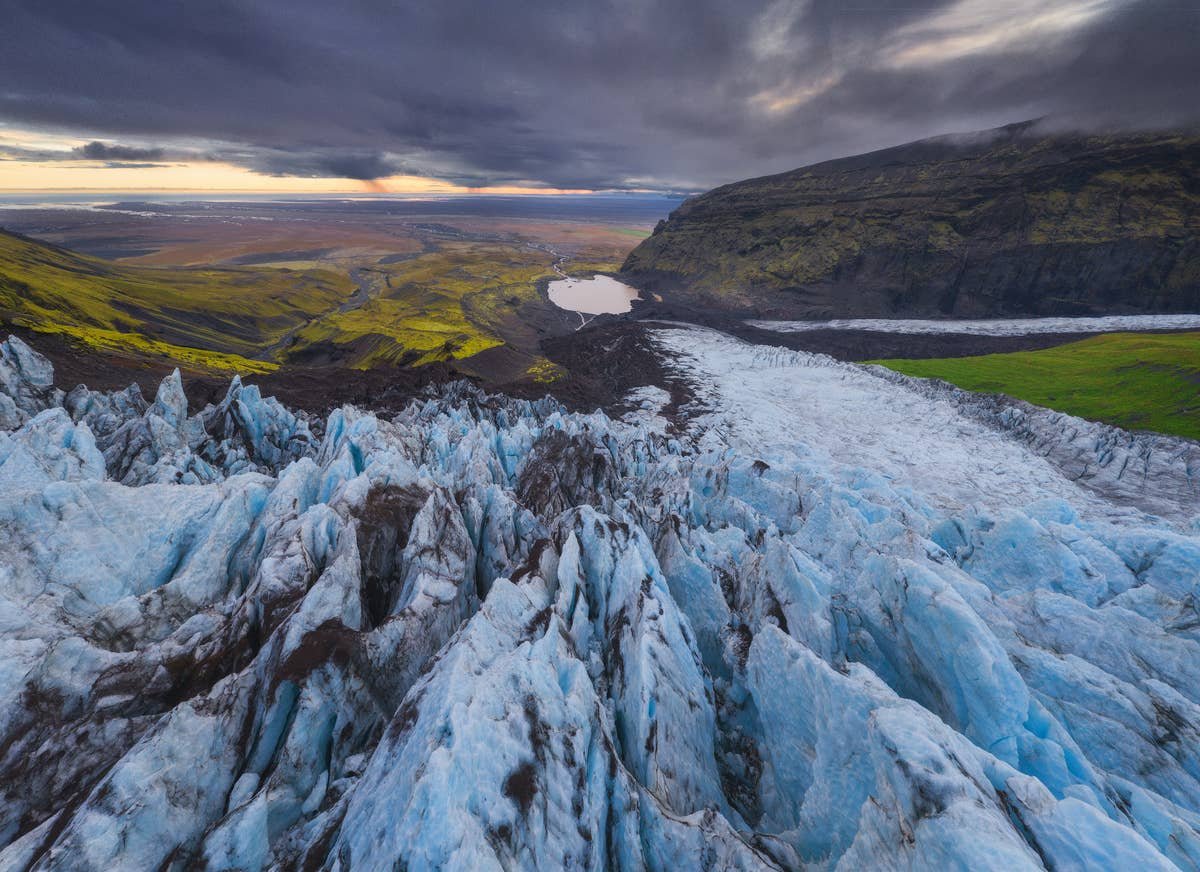
Glaciers are undoubtedly one of the best things to see in Iceland. They cover large parts of the country and feed spectacular lakes like the Jokulsarlon Glacier Lagoon, where icebergs drift out to sea.
For a closer experience of these striking natural features, you can join glacier tours to hike on the ice or visit natural ice caves, both of which are unforgettable things to do in Iceland.
4. Ice Caves – Explore Hidden Ice Formations
In winter, ice caves naturally form inside Iceland’s glaciers. These shimmering blue caves can only be visited on guided ice cave tours, which typically operate from October to April.
The most famous is the Crystal Blue Ice Cave in the Vatnajokull Glacier. The only natural ice cave in Iceland that can be visited year-round is the Katla Ice Cave, located beneath the Myrdalsjokull Glacier.
5. Black Sand Beaches – Surreal Volcanic Shores
The black sand beaches in Iceland are some of the most dramatic coastal landscapes in the world. Formed by centuries of volcanic eruptions, these shores replace golden sand with deep charcoal tones, creating an almost otherworldly contrast against the Atlantic Ocean.
Reynisfjara Beach is the most famous of Iceland’s black sand beaches, known for its powerful Atlantic waves and basalt columns.
Always follow the safety signs and maintain a safe distance from the waterline, as sneaker waves can surge far up the beach without warning. Vikurfjara Black Sand Beach in the nearby village of Vik offers similar scenery and is often considered a safer place for walking.
Other incredible spots include Diamond Beach by the Jokulsarlon Glacier Lagoon, where icebergs wash ashore on the black sand, and Stokksnes Beach near Hofn with dramatic views of Vestrahorn Mountain. On the Snaefellsnes Peninsula, Djupalonssandur Beach is the most popular black sand beach to visit.
6. Volcanoes and Lava Fields – The Raw Power of the Earth
Volcanoes in Iceland have shaped the landscape, creating rugged lava fields, black sand plains, and dramatic craters. The recent eruptions on the Reykjanes Peninsula remind us that Iceland is still evolving.
You can hike across ancient lava fields, visit volcanic craters, or even witness new eruption sites like the Sundhnukagigar Craters on guided volcano tours. Volcanic landscapes remain one of the most epic things to see in Iceland.
7. Whales – Meet the Giants of the Ocean
Iceland is a top destination for spotting whales, with whale watching tours available year-round. Sightings include humpbacks, minke whales, and dolphins, and occasionally even blue whales and orcas.
The best tours depart from Husavik, often called the “whale-watching capital of Europe,” as well as Akureyri, Reykjavik, and other smaller coastal towns around Iceland.
8. Puffins – Iceland’s Most Beloved Seabirds
Puffins are one of the most popular things to see in Iceland, nesting on sea cliffs from late April to early September. The largest puffin colony in the world can be found on the Westman Islands off the South Coast.
You can join birdwatching tours to see puffins up close. Puffin viewing spots can be found all around the Icelandic coast, giving travelers plenty of opportunities to encounter these iconic seabirds.
If you are in the capital, a puffin boat tour from Reykjavik offers an incredible chance to see these charming seabirds in their natural habitat. In North Iceland, a whale and puffin safari from Husavik lets you spot puffins alongside whales and other marine wildlife.
9. Hot Springs and Geothermal Areas – Where Fire Meets Water
When researching what to see in Iceland, geothermal hot springs are always near the top of the list. Some are wild and remote, while others have been developed into geothermal spas.
Travelers can join hot spring tours to relax in naturally heated pools, or visit geothermal areas with steaming vents, bubbling mud pools, and colorful mineral soils.
10. Midnight Sun – Endless Daylight in the Arctic Summer
One of the most incredible things to experience in Iceland is the midnight sun, which occurs when the sun barely sets in summer. Around the solstice in June, the evenings remain bright well past midnight.
Midnight sun tours invite travelers to enjoy long days for photography, sightseeing, and outdoor adventures. The extended daylight is why summer is one of the best times to visit Iceland.
Keeping these natural highlights in mind will help you decide which unique features of Iceland to focus on. Up next, we will walk you through the top attractions in Iceland to include in your itinerary to help you make the most of your adventure.
Top 10 Attractions in Iceland
Iceland is packed with unforgettable natural wonders. While many highlights have already been mentioned, the following stand out as the very top attractions to visit in Iceland.
10. Kirkjufell Mountain
Kirkjufell Mountain is one of the most iconic attractions to visit in Iceland. Rising like a pyramid on the Snaefellsnes Peninsula, it is often called “the most photographed mountain in Iceland,” and it is easy to see why once you stand in front of it.
Paired with the nearby Kirkjufellsfoss Waterfall, it creates one of the most photogenic scenes in Iceland.
Distance from Reykjavik: About 115 miles (185 kilometers), 2.5 hours by car.
How to get there: Kirkjufell is best reached on a day tour to the Snaefellsnes Peninsula. Both self-drives and guided tours allow you to combine Kirkjufell with other highlights like Djupalonssandur Beach and the Snaefellsjokull Glacier. If you are driving, use directions to the mountain.
9. Lake Myvatn
The Lake Myvatn region in North Iceland is an incredible place to visit that offers geothermal activity, dramatic volcanic landscapes, and rich birdlife.
Highlights include the lava formations of Dimmuborgir, bubbling mud pots at Hverir, and pseudocraters formed by past eruptions. Travelers can also relax in the Earth Lagoon, formerly known as Myvatn Nature Baths. It is a peaceful alternative to the Blue Lagoon with sweeping lake views.
Distance from Reykjavik: About 300 miles (480 kilometers), 6–7 hours by car. The closest town is Akureyri, about 55 miles (90 kilometers) away.
How to get there: The Lake Myvatn area is best visited on Diamond Circle or North Iceland tours. If you are on a Ring Road self-drive adventure, use this route.
8. Thingvellir National Park
A UNESCO World Heritage Site, Thingvellir National Park is where Iceland’s first parliament was established in 930 AD. It is also a geological wonder, with visible rift valleys between the North American and Eurasian tectonic plates.
Visitors at Thingvellir National Park can explore the dramatic Almannagja Gorge, see Oxararfoss Waterfall, and even snorkel in the crystal-clear waters of the Silfra Fissure.
Distance from Reykjavik: About 30 miles (47 kilometers), 45 minutes by car.