Gain a clear understanding of what winter in Iceland is truly like with this comprehensive guide. Discover what to anticipate regarding weather patterns, road conditions, daylight hours, and the premier seasonal experiences. From essential travel advice to highlights of the season, this guide is designed to help you organize a secure and memorable winter excursion to Iceland.
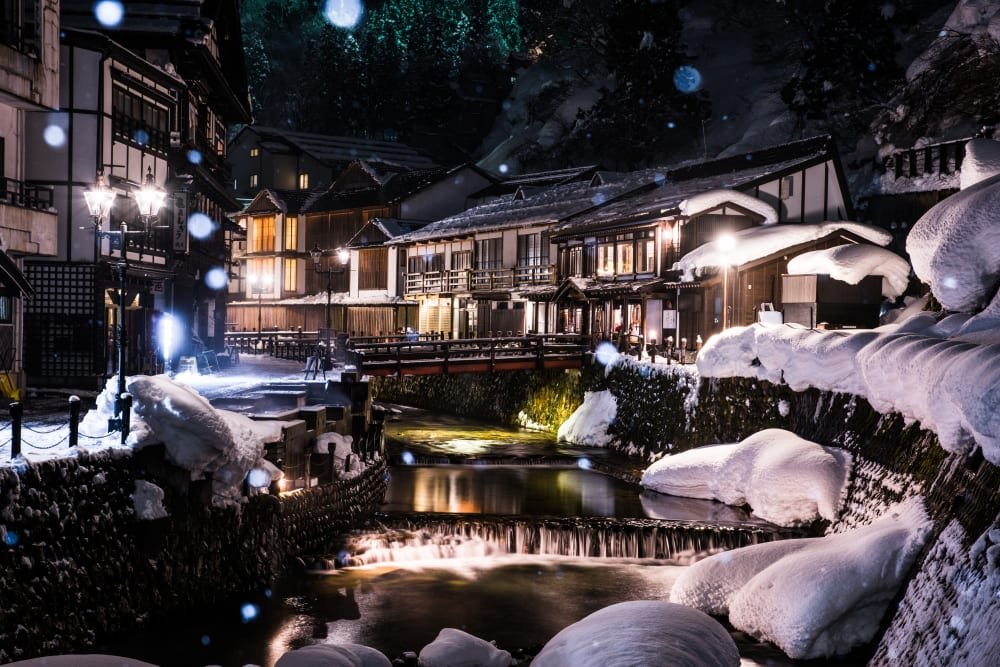
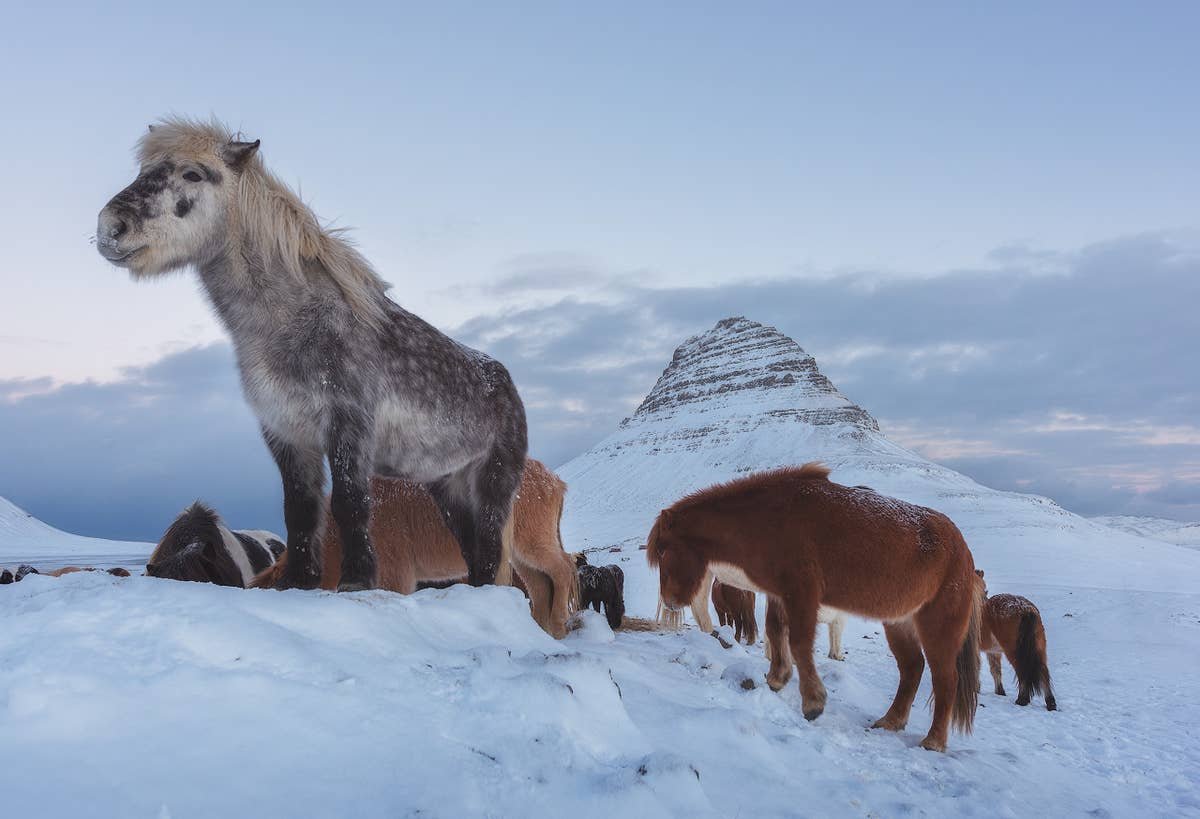
Iceland’s dramatic scenery takes on a distinct character during the winter months. Between late November and early April, the nation transforms into a landscape of snow-draped mountains, frozen waterfalls, and extended, luminous nights. This period is ideal for chasing the northern lights, exploring ice caves, and trekking across glaciers.
Guide to Iceland stands as the most reliable travel rery piece of content is authored and vetted by local experts who possess an intimate knowledge of Iceland. You can rely on us for precise, current, and dependable travel information
Winter in Iceland offers a more tranquil season, unique activities, and the opportunity to view iconic locations like the Golden Circle, the Blue Lagoon, and the Jokulsarlon Glacier Lagoon in a completely different light. A variety of winter tours and packages are available to help you maximize these experiences, ranging from adventurous snowmobiling excursions to relaxing hot spring visits.
Are you intrigued by Iceland in winter? Continue reading to discover everything necessary for a safe and unforgettable cold-weather visit.
Travel tips: Reserve vacation packages or winter self-drive tours for a seamless experience.
Atmosphere: Quieter landscapes, unique photography opportunities, and cozy Icelandic culture.
What To Know About Winter in Iceland
While summer is the peak time for whale-watching in Iceland, the winter months provide a quieter and often more personal experience on the water. The cold season offers the chance to spot orcas, humpback whales, and other marine life against a backdrop of snow-dusted coastlines and icy seas. Just ensure you dress in layers, wear a warm hat and gloves, and prepare for chilly sea breezes.
If you are staying in the capital, this whale-watching tour from Reykjavik operates throughout the year, making it simple to enjoy this remarkable experience even in the depths of winter.
7. Soak in Iceland’s Hot Springs, Geothermal Pools, and Lagoons
Winter may be cold, but it serves as the perfect setting for relaxing in the many geothermally heated pools and lagoons across Iceland. There is something truly magical about submerging yourself in warm, steaming water while snow falls softly around you or the crisp air brushes against your face.
Popular most popular tourist routes in Iceland is the Golden Circle, which includes three iconic attractions: Thingvellir National Park, the Geysir Geothermal Area, and Gullfoss Waterfall. While these are most commonly visited in the summer, they are equally stunning in the frozen winter!
You can experience the route independently with a self-drive tour, or join guided Golden Circle tours for a more structured experience enhanced by expert local insights.
The Golden Circle Minibus Tour from Reykjavik: A compact and convenient way to visit the primary sights of the Golden Circle in a single day.
Golden Circle & Snowmobiling Tour from Reykjavik: Combine the classic Golden Circle route with an exhilarating snowmobile adventure on a nearby glacier.
3-Day Northern Lights & Ice Cave Multi-Day Tour to the Golden Circle, South Coast & Glacier Lagoon: Explore the Golden Circle alongside South Coast highlights and glaciers, with opportunities to view the northern lights and venture into ice caves.
3. Experience Glacier Hiking in Iceland
Iceland’s glaciers are among the most impressive natural features in the country, and hiking across them in winter is an unforgettable experience. The icy terrain, deep crevasses, and sparkling blue ice formations create a landscape unlike anywhere else on Earth.
For a safe and enjoyable adventure, it is essential to have the correct glacier hiking gear, including crampons, harnesses, and warm, waterproof clothing. Guided glacier hiking tours provide the necessary equipment, expert instruction, and local knowledge, making glacier hiking accessible even for beginners.
Check out some of the popular winter glacier tours in Iceland:
Skaftafell Glacier Hiking Tour: Explore the stunning glaciers of Skaftafell National Park with expert guides, walking across icy landscapes and taking in breathtaking views.
South Coast Tour with Glacier Hiking: Combine a scenic South Coast adventure with a glacier hike, visiting waterfalls, black sand beaches, and icy terrain in a single day.
Vatnajokull Ice Climbing & Glacier Hiking Tour from Skaftafell: Add an adrenaline rush to your glacier hike by attempting ice climbing on Europe’s largest glacier, Vatnajokull.
2. Venture Inside Stunning Ice Caves in Iceland
Iceland’s ice caves are a magical winter phenomenon, featuring translucent blue ice, dramatic formations, and otherworldly tunnels waiting to be explored. Each cave is unique and changes from year to year, ensuring every visit is a one-of-a-kind experience.
Guided tours provide safety equipment, expert instruction, and transportation, allowing you to safely explore these frozen wonders. Here are some of the most popular ice cave tours in Iceland:
Crystal Blue Ice Cave Tour in Vatnajokull Glacier: Discover the breathtaking blue ice formations of the Crystal Ice Cave located deep within Europe’s largest glacier.
Katla Ice Cave Tour from Vik: Explore the volcanic ice caves beneath the Katla Volcano, a striking combination of ice and volcanic landscapes.
Into the Glacier Ice Cave Tour with Hraunfossar Waterfalls & Transfer from Reykjavik: Venture inside a man-made glacier cave and combine the adventure with visits to the Hraunfossar Waterfalls on a full-day guided tour.
1. Chase the Northern Lights Across Iceland
Winter in Iceland provides the perfect stage for experiencing the aurora borealis. It is the optimal time to view the northern lights, as the nights are at their longest and the skies tend to be clearer. Aurora forecasts will inform you when conditions appear promising.
The number of nights you book also makes a difference. Our study on how many days you need in Iceland found that five nights provides a 76% to 95% chance of a sighting. Three nights reduces that probability to between 58% and 83%.
To improve your chances, leave the city behind and head into the countryside, where there is minimal light pollution. This makes it easier to photograph the northern lights and enjoy the display without distractions. Many travelers also stay in northern lights hotels, which are situated in remote areas and often provide wake-up calls when the aurora appears.
For a hassle-free experience, join one of the many northern lights tours or short northern light breaks in Iceland, led by guides who know exactly where to find the clearest skies:
Northern Lights Bus Tour from Reykjavik: A comfortable and budget-friendly evening tour that takes you outside the city for the best chance of spotting the aurora.
Northern Lights Super Jeep Tour from Reykjavik with Free Photos: A small-group adventure in a rugged super jeep that transports you to remote dark-sky areas.
3-Day Northern Lights & Ice Cave Multi-Day Tour to the Golden Circle, South Coast & Glacier Lagoon: A guided winter journey combining northern lights hunting with Iceland’s top natural wonders, including an ice cave visit.
Top Northern Lights Tours & Holidays
Northern Lights Minibus Tour in Iceland With Free Photos & Refreshments
Northern Lights Bus Tour from Reykjavik
The Northern Lights Super Jeep Tour from Reykjavik with Free Photos
See all tours
Winter Holidays And Events in Iceland
New Year’s Eve is one of the major events and celebrations across Iceland. People often begin the evening with dinner, then join neighborhood bonfires and fireworks displays.
At 10:30 PM, many gather around televisions to watch the beloved national comedy show Aramotaskaupid, a humorous review of the past year that Icelanders treat almost like a ritual.
When the clock strikes midnight, the sky illuminates with fireworks everywhere, creating a magical moment that feels like welcoming winter’s darkest nights with hope and celebration. This is the highlight of Icelandic New Year’s Eve, so be prepared to head out by Hallgrimskirkja Church, Perlan, Kopavogskirkja Church, or any other elevated location. The more you see of the sky above the city, the better!
Winter Lights Festival in Iceland
The Winter Lights Festival takes place annually in Reykjavik, usually in early February, celebrating the return of daylight after the long, dark winter. The city comes alive with colorful light installations, illuminated sculptures, and creative art displays scattered across streets, parks, and public spaces.
Highlights include Museum Night, when museums remain open late with special exhibitions, and Pool Night, offering evening swims in the city’s famous geothermal pools under magical lights.
Experiencing the festival is one of the top things to do in Reykjavik in February, allowing you to soak in the local culture, enjoy winter-themed activities, and even try your luck at spotting the northern lights outside the city lights.
Valentine’s Day, Bondadagur, and Konudagur
Valentine’s Day is a relatively recent addition to the Icelandic cultural calendar. Some Icelanders have embraced this holiday, with couples exchanging gifts, enjoying <a s Day): This occurs on the first day of the old Icelandic month of Thorri, typically falling in January. On this day, women pamper the men in their lives, offering gifts or gestures of appreciation.
Konudagur (Women’s Day): This is observed on the first Sunday in February and historically signified the start of the old month of Goa. On this day, men honor the women in their lives with similar expressions of love and gratitude.
You can often find restaurants and other businesses offering special deals in celebration of all three days, so keep your eyes open if you are visiting around this time.
Thorri in Iceland
This Iceland winter travel guide will help you plan your trip, stay safe, and enjoy all the beauty and adventure Iceland has to offer. Whether you are chasing the northern lights, exploring frozen waterfalls, or embarking on winter tours in Iceland, a little preparation goes a long way.
What To Pack for Winter in Iceland
When visiting Iceland in winter, layering is essential. If you are only staying within the greater Reykjavik area, you can manage with lighter clothing.
Prioritize warm inner layers and bring a warm coat, hat, scarf, and gloves. Wear leggings and a long-sleeve T-shirt, preferably made from thermal materials, underneath your regular clothing to increase warmth. If the weather is not too cold, you can even wear jeans this way.
If you are planning on exploring Icelandic nature, and especially if you will hunt for the northern lights, bring proper warm, layered clothing. Start with a moisture-wicking base layer, add an insulating middle layer like fleece or wool, and finish with a waterproof and wind-resistant outer layer. Insulated, waterproof footwear with good traction is essential for walking on icy surfaces.
Along with good clothing, here are some more essential items to pack for a trip to Iceland that will help you make the most of your adventure.
Skin protection: The cold can be harsh on the skin, so make sure to bring lip balm, moisturizer, and good hand cream!
Extra equipment: Bring a portable charger and a headlamp or flashlight for navigating during limited daylight hours.
Crampons: If you are planning on heading out into the Icelandic wilderness, make sure to bring crampons to attach to your shoes! It will make it much easier to walk over icy surfaces.
Thermos: Bring a thermos or insulated bottle for hot beverages during your travels around the country.
Travel adapter: Don’t forget to bring a travel adapter for charging electronic devices in Iceland.
Swimwear: No matter what time of year your trip to Iceland occurs, make sure to bring swimwear to enjoy the many geothermally heated lagoons and pools.
Driving in Iceland in Winter
Driving in Iceland in winter can be a challenge. However, with proper planning, preparation, and caution, it is possible to navigate Iceland’s winter landscapes safely and enjoyably.
Renting a Car in Iceland During Winter
All cars in Iceland must be fitted with winter tires from November until the start of April.
If you are planning on renting a car in Iceland, make sure to choose according to your itinerary and the timing of your trip. It is always safer to rent a 4×4 jeep in winter, especially if you are planning on exploring the countryside or driving in January or February.
If you plan to drive in Iceland in November, you can rent a small car. Keep in mind, though, that snowfall can still make driving challenging, so extra caution is necessary.
Driving Safely in the Icelandic Winter
Driving in Iceland during winter can be an unforgettable way to explore the country, but it requires preparation and caution. Here are some helpful tips to stay safe while navigating snowy roads, icy conditions, and changing weather:
Check the weather and road conditions. Always consult reliable